
Alaska Airlines Flight 261: The Day a Passenger Jet Flew Upside Down to Stay Alive
The harrowing story of Alaska Airlines Flight 261, the tragic 2000 crash where pilots desperately flew upside down to save lives. A haunting tale of courage, mechanical failure, and lessons learned in aviation history.
On January 31, 2000, Alaska Airlines Flight 261 a McDonnell Douglas MD-83 plunged into the Pacific Ocean just off the coast of California. The crash killed all 88 people on board, marking one of the most harrowing disasters in U.S. aviation history. But what made this tragedy even more chilling? In a final act of bravery and desperation, the pilots flew the aircraft upside down in a last-ditch effort to save everyone on board.

A Routine Flight Turns Catastrophic
The flight originated in Puerto Vallarta, Mexico, destined for Seattle, Washington, with a planned stopover in San Francisco. For most of the journey, Flight 261 cruised uneventfully at 31,000 feet. Then, the unimaginable happened. The horizontal stabilizer, the component that controls the aircraft’s pitch, failed completely. The plane began an uncontrollable dive.
The Jackscrew Failure
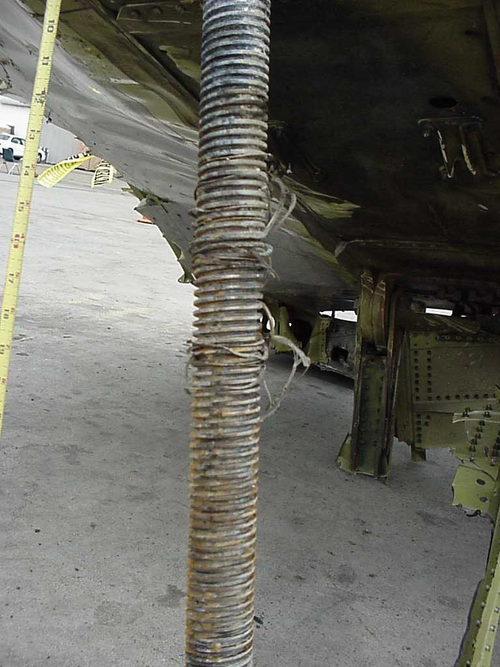
Investigations by the National Transportation Safety Board (NTSB) later revealed the cause: the catastrophic failure of the jackscrew assembly, a vital mechanism that adjusts the horizontal stabilizer. This failure was traced back to lack of proper lubrication and maintenance over time. The jackscrew had been worn to the point of shearing completely off, rendering pitch control impossible.
Heroic Effort in the Cockpit
As alarms blared and the aircraft nosedived toward the ocean, the two pilots, Captain Ted Thompson and First Officer Bill Tansky, did everything in their power to stabilize the aircraft. In a move that defied the limitations of commercial aviation, they briefly flew the plane inverted upside down to slow the descent and regain control.

Passengers experienced horrifying G-forces. Some called loved ones. Others prayed. The pilots, calm and focused to the very end, fought to maintain altitude, even as the doomed aircraft bucked violently in the air.
The Final Moments

Despite their extraordinary efforts, Flight 261 went down into the Pacific Ocean near Point Mugu, off the California coast. All lives were lost. But their actions possibly delayed the crash long enough for critical data to be recorded and lives remembered with honor.
Aftermath and Industry Impact

The NTSB investigation uncovered severe flaws in maintenance oversight and corporate negligence. The tragedy led to sweeping changes in U.S. aviation regulations, particularly around maintenance protocols for stabilizer systems and jackscrews.
To this day, Flight 261 is remembered not only for the lives lost, but for the astonishing courage and skill of the crew, who did all they could to defy gravity and save their passengers.

Let this story serve as a reminder: Safety in the skies is built not only on machines, but on maintenance, accountability, and the quiet heroism of those at the helm.