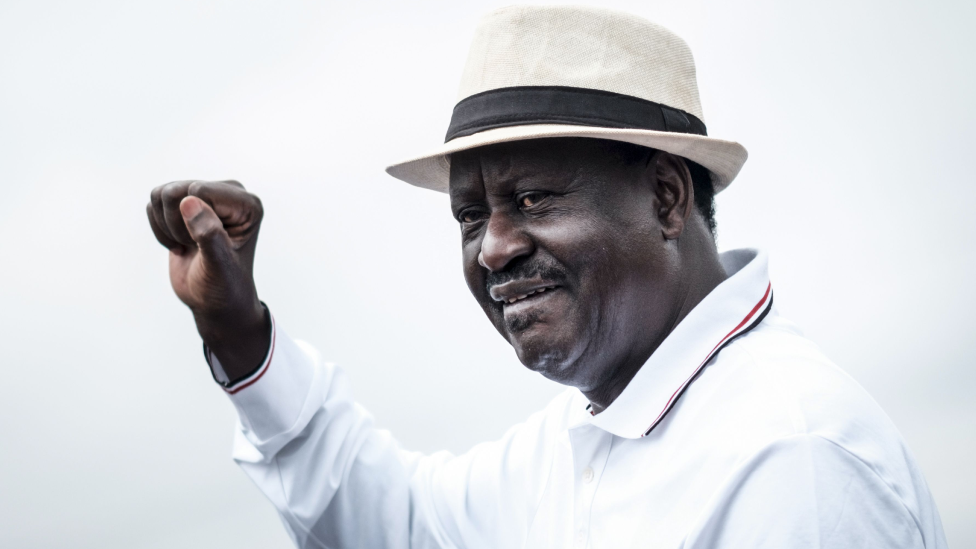

Raila Odinga: The Relentless Reformer Who Redefined Kenya’s Political History
Kenya is gripped by grief following reports that former Prime Minister Raila Amolo Odinga has reportedly passed away while in Kochi, India, at the age of 80.
Born on January 7, 1945, in Maseno, Kisumu County, Raila Odinga was the son of Kenya’s first Vice President, Jaramogi Oginga Odinga.
He became one of Kenya’s leading champions for multi-party democracy in the 1980s, enduring detention and political persecution for his beliefs.
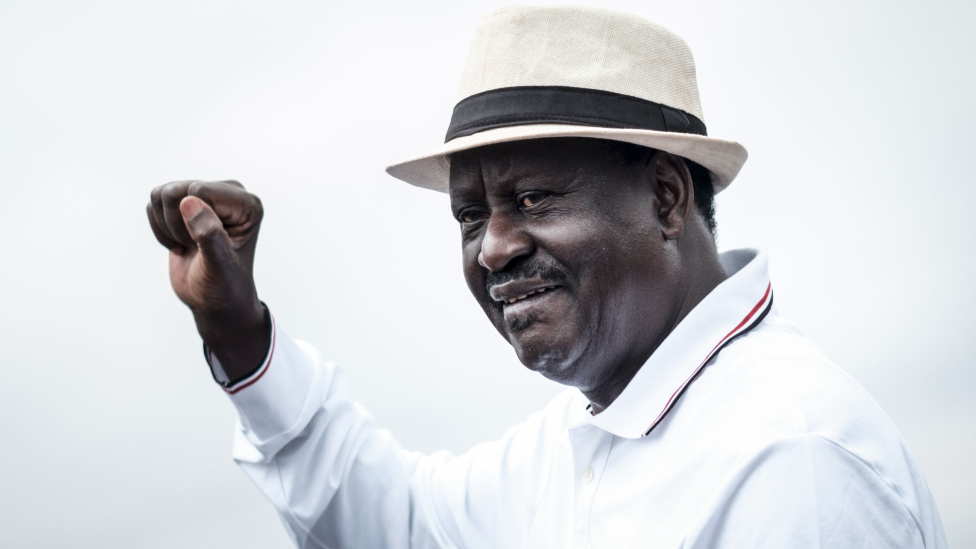
Raila served as Prime Minister from 2008 to 2013 under the Grand Coalition Government with President Mwai Kibaki, following the disputed 2007 election.
He later entered a historic handshake pact with President Uhuru Kenyatta in 2018, a moment that reshaped Kenya’s political landscape.
He contested the presidency five times and was widely regarded as the face of opposition politics and reform in Kenya.
Early life and roots
Raila Amolo Odinga was born on January 7, 1945, in Maseno, Kisumu County into one of Kenya’s most prominent political families. He is the son of Jaramogi Oginga Odinga, Kenya’s first vice-president and an early nationalist leader, a lineage that shaped Raila’s own political outlook and activism from an early age.
Education and formative years
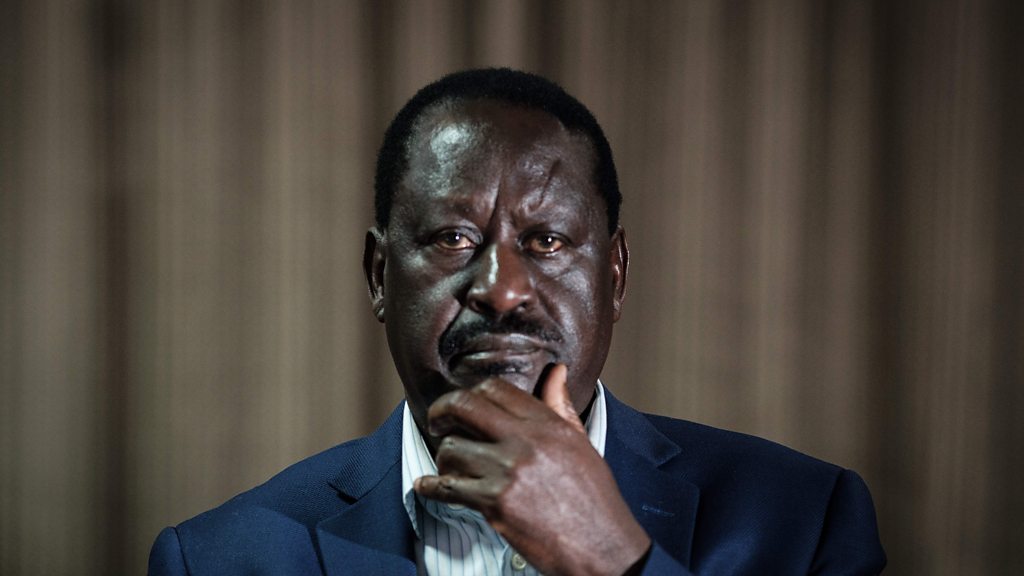
Raila trained as an engineer in East Germany (then the German Democratic Republic), where he attended the Otto von Guericke University in Magdeburg. His technical education and exposure to international politics in those years informed both his early business activities and his later technocratic approach to national projects and infrastructure.
The struggle for multiparty democracy
During the 1980s and early 1990s, Raila emerged as a central actor in the push to restore multi-party democracy in Kenya, then under President Daniel arap Moi’s single-party rule. He became a leading figure in the reform movement, enduring detention and political suppression, experiences that hardened his reputation as a fearless critic of authoritarian practices and an advocate for political pluralism.
Rise to national prominence & parliamentary career
Raila first won a parliamentary seat in the early 1990s and steadily built a political base, representing Lang’ata Constituency for many years. His organizational skills and mass appeal helped him lead and shape opposition coalitions that challenged the political status quo throughout the 1990s and 2000s.
The 2007 election, violence, and the Grand Coalition Government
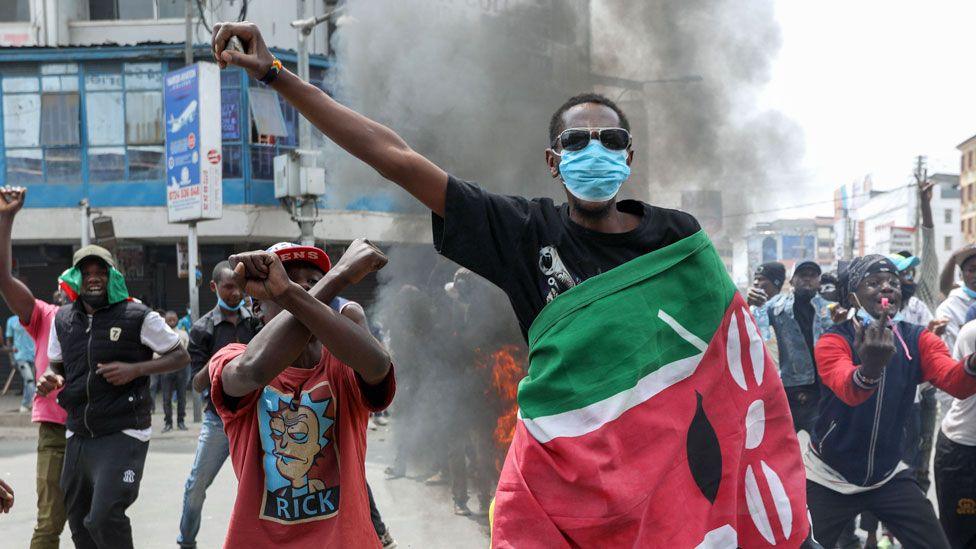
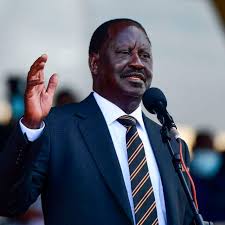
The December 2007 presidential election in which Raila Odinga was the main challenger to incumbent Mwai Kibaki, was followed by one of the darkest episodes in Kenya’s post-independence history: ethnically charged violence that left more than 1,000 people dead and hundreds of thousands displaced. The post-election crisis was resolved politically through mediation efforts that produced a power-sharing Grand Coalition Government. Under that agreement, Raila served as Prime Minister from 2008 to 2013, responsible for navigating a fragile coalition and helping to implement reforms born from the crisis.
The 2010 Constitution and reform agenda
One of the most lasting outcomes of the Grand Coalition era was the adoption of Kenya’s 2010 constitution a far-reaching document that restructured governance, introduced devolution, and enshrined new checks and balances. Raila’s leadership during the coalition years associated him closely with the reform agenda that culminated in the constitution, a major milestone in Kenya’s democratic evolution.
Persistent presidential ambitions — five runs and durable influence
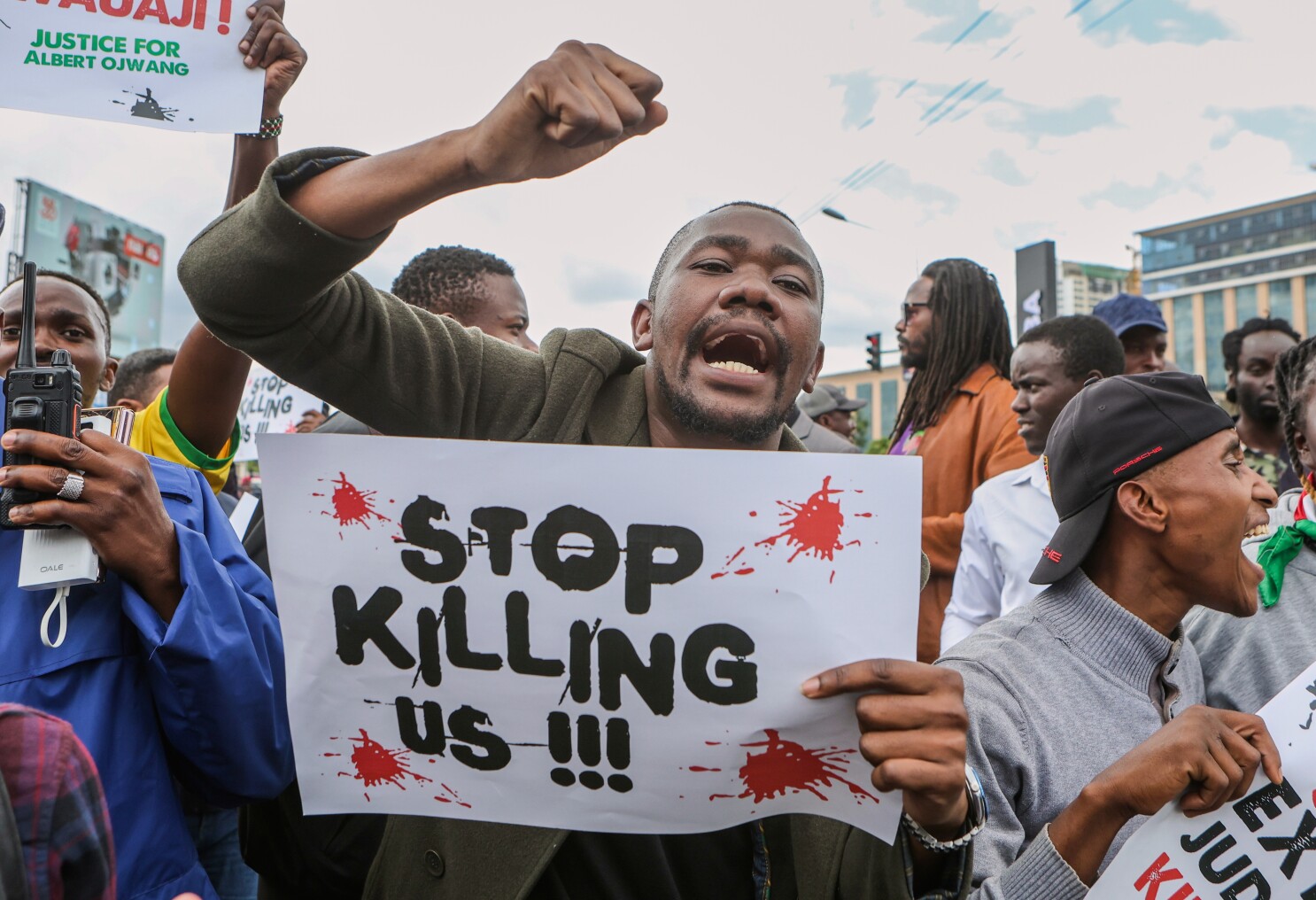
Raila Odinga ran for president five times (1997, 2007, 2013, 2017, and 2022). Although he never won the presidency, each campaign reinforced his centrality in Kenyan politics and rejuvenated debates over electoral integrity, reform, and inclusion. His challenges of election results, especially in 2007 and 2017 kept questions about the credibility of electoral processes at the forefront of national discussion.
The 2018 Handshake with Uhuru Kenyatta and the BBI
In a dramatic turn, Raila and President Uhuru Kenyatta publicly reconciled on March 9, 2018, in what became known simply as the Handshake. The gesture ended months of bitter political standoff after the 2017 election and produced the Building Bridges Initiative (BBI), a consultative project aimed at addressing long-standing governance gaps, inequality, and ethnic polarization. The Handshake altered Kenya’s political dynamics, producing new alliances and tensions that dominated the political conversation in the subsequent years.
Regional and international roles
Beyond domestic politics, Raila held roles on the continental stage for instance, being appointed to positions such as an African Union representative on infrastructure development, which reflected his stature as a statesman beyond party lines. His engagements emphasized regional connectivity and economic integration.
Political style, public persona, and the “Baba” phenomenon
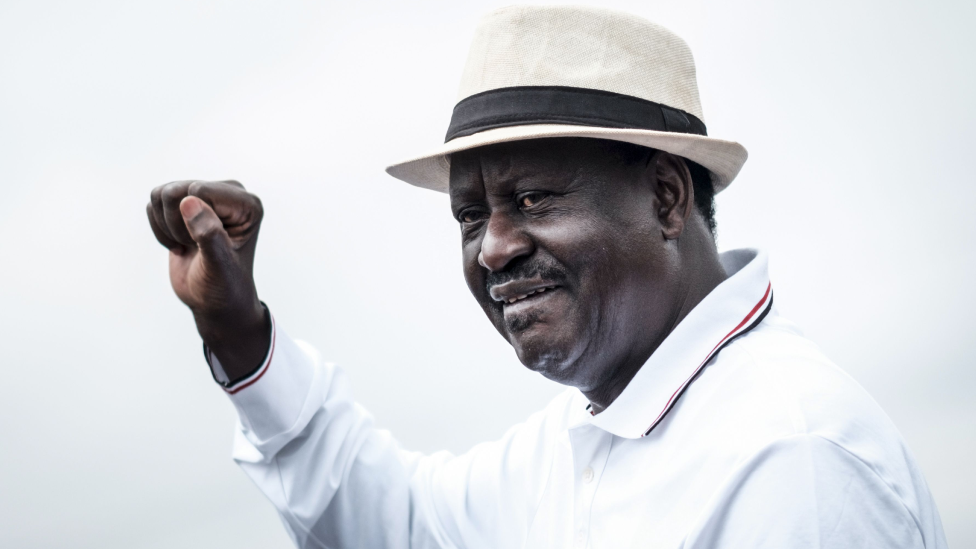
Raila cultivated a populist yet disciplined political persona. Affectionately known as “Baba” by many supporters, he combined rhetorical passion with deep organizational networks across Kenya’s counties. Critics, meanwhile, often accused him of hardball tactics and of perpetuating winner-takes-all contestation; supporters describe him as a principled fighter for the underdog. His ability to command mass rallies and mobilize supporters made him one of the most consequential political organizers in East Africa.
Controversies and criticisms
Like many long-serving politicians, Raila’s career was not without controversy: contested elections, heated legal battles over results, and the political fallout from the BBI process drew sharp criticism from rivals and observers who questioned some of his strategic choices. Yet his critics often acknowledged his role in pushing democratic debates forward in Kenya.
Legacy: what Raila leaves behind
Whether measured by the 2010 Constitution, his leadership during the Grand Coalition, the Handshake, or his repeated mobilization of large swathes of the electorate, Raila’s imprint on Kenyan politics is enormous. He helped transform the terms of debate on governance and remains a defining figure for a generation that came of political age during his campaigns. His death has closed a consequential chapter in Kenya’s post-independence history.
Timeline (quick reference)
- 1945: Born in Maseno, Kisumu County.
- 1990s: Key opposition figure in push for multiparty democracy.
- 2007: Contested presidential election; ensuing violence led to power-sharing.
- 2008–2013: Served as Prime Minister in Grand Coalition Government.
- 2010: Constitution promulgated — a major reform milestone.
- 2018: Handshake with President Uhuru Kenyatta; BBI process launched.
- 1997–2022: Five presidential bids (1997, 2007, 2013, 2017, 2022)