

Should You Remove Omena Heads Before Cooking? To Remove or Not to Remove? The Great Kenyan Kitchen Debate
If you grew up in Kenya, chances are you’ve met omena at some point, that shiny, silvery fish that can divide a household faster than a debate about ugali texture.
Known scientifically as Rastrineobola argentea and affectionately called omena, dagaa, or silver cyprinid, this tiny fish is more than just a meal. It’s a cultural symbol, a nutritional powerhouse, and for many families around Lake Victoria, it’s the heartbeat of the kitchen.

But one question continues to spark passionate debate across the country:
Should you remove the heads before cooking omena?
Let’s dive into both sides of this sizzling conversation, because in Kenya, omena isn’t just food, it’s identity.
Why Some People Remove Omena Heads
🐟 1. To Reduce Bitterness and Elevate Flavour
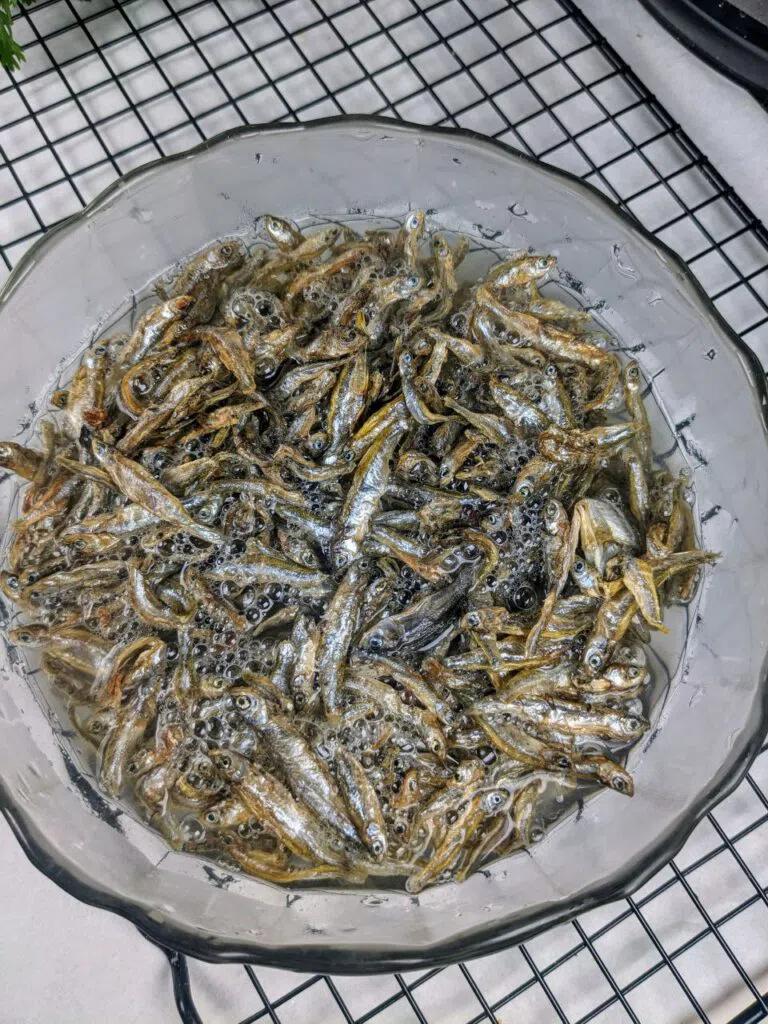
One of the most common complaints about omena is that bitter aftertaste that lingers on the tongue. The culprit? The eyes and gills.
When fried or boiled whole, these parts can release a sharp, earthy flavour that overpowers the sweetness of tomatoes or the spiciness of green chillies.
Removing the heads gives the dish a cleaner, smoother, and milder taste, letting the other ingredients sing.
Some cooks even go the extra mile: soaking omena in hot water and lemon juice before cooking to reduce bitterness further. But ask any seasoned cook, and they’ll tell you, nothing works quite like decapitating the little guys.
🌿 2. To Tone Down That Strong “Fishy” Aroma
Ah, the smell of omena, for some, it’s the scent of home; for others, it’s the reason they keep their windows open.
The head contains oils that intensify that distinct fishy aroma, especially when fried. Removing them not only reduces the smell but also makes cooking more pleasant for those who aren’t fans of strong fish scents.
It’s why many urban cooks and restaurants in Nairobi prefer headless omena, they find it milder, subtler, and more appealing to a wider range of diners.

🍅 3. For a Softer Texture and Cleaner Look
Let’s be honest for some people, it’s not even about taste or smell. It’s about aesthetics.
A plate of omena without those tiny eyes staring back looks neater and more appetising. The texture also becomes softer and smoother, perfect for wet-fried omena mixed with coconut milk, sukuma wiki, or tomato sauce.
Presentation matters, and for food lovers who eat with their eyes first, headless omena is easier on the palate and prettier on the plate.
👶 4. Easier for Children and Older Adults
For young children and older adults, the tiny bones and heads can make omena harder to chew and digest.
Removing the heads eliminates that prickly, grainy feeling in the throat, making the dish gentler and safer for everyone to enjoy.
Parents often prefer this approach, ensuring their kids get all the protein benefits without complaints at the dinner table.

Why Others Keep the Heads On
💪 5. Maximum Nutrition, Minimum Waste
Here’s the thing, omena heads are packed with nutrition. They’re loaded with calcium, healthy oils, and omega-3 fatty acids, all of which are vital for strong bones, brain health, and a healthy heart.
When you remove the heads, you lose some of these nutrients. Nutritionists often recommend eating the fish whole, especially if your diet lacks other calcium-rich foods like milk or leafy greens.
In fact, for many low-income families, omena isn’t just a meal, it’s a lifeline of nutrition that delivers essential vitamins and minerals in one affordable package.
🌍 6. Culture and Tradition Matter Too
In rural western Kenya, from Kisumu to Homa Bay and Siaya, omena is sacred. Many locals prefer to cook it whole, believing that removing the heads is both wasteful and unnecessary.
In these regions, the smell and taste of omena aren’t seen as unpleasant; they’re part of the fish’s identity.
Urban dwellers, on the other hand, often view headless omena as “refined” or “modern.” The difference reveals something deeper: food choices are cultural, not just culinary.
The Middle Ground: Finding Your Perfect Balance
If you love omena but can’t stand its bitterness or smell, there’s a compromise.

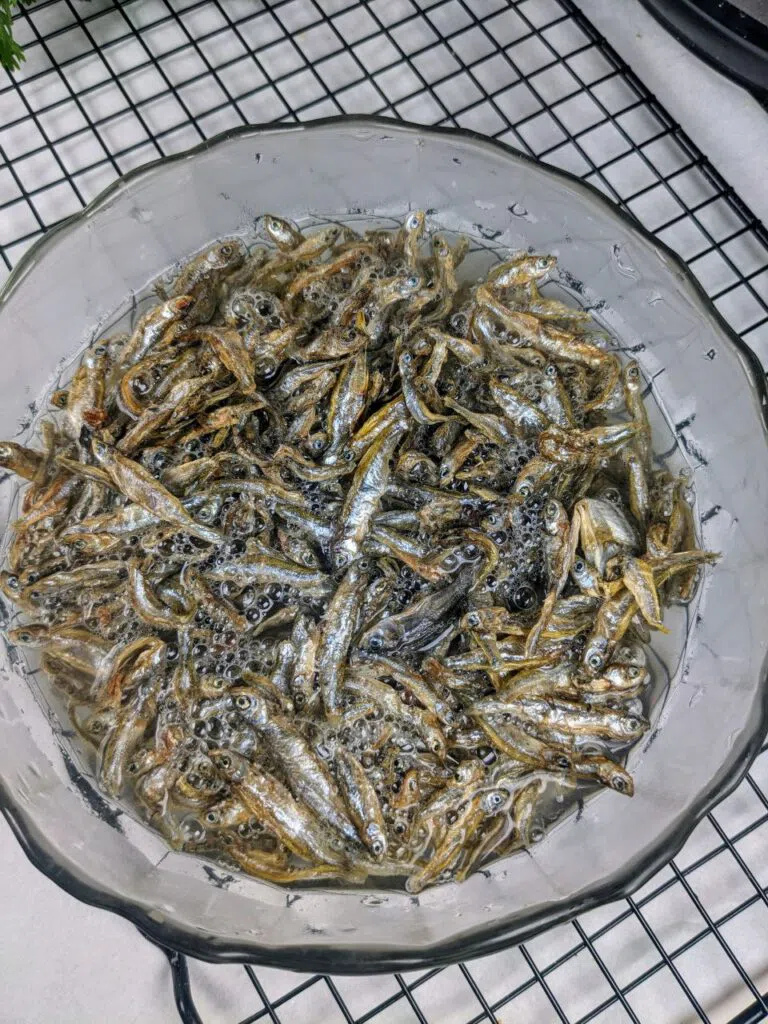
Try soaking it in warm water mixed with lemon juice or vinegar for 5–10 minutes before frying. This technique helps reduce the strong odour while preserving most of the nutrients.
You can also fry omena with aromatic ingredients like garlic, ginger, coriander, or curry powder to mask any lingering fishiness without removing the heads.
How to Cook the Perfect Omena (Headless or Not)
- Rinse thoroughly with warm water to remove sand and excess salt.
- Soak briefly in lemon water or milk if you want a milder flavour.
- Fry in hot oil until crispy, then add onions, tomatoes, and a dash of royco or chili.
- Finish with coriander or lemon juice for brightness.
Whether you go for dry-fried or wet-fried, whole or headless, the secret is in the balance of seasoning and freshness.
Your Kitchen, Your Rules
At the end of the day, there’s no wrong way to cook omena, only what feels right for you.
If you crave bold, traditional flavour and full nutrition, keep those heads on.
If you prefer a milder, cleaner dish that won’t perfume your kitchen for days, off they go.
Either way, omena remains a beloved Kenyan delicacy, rich in culture, heritage, and flavour.
It’s more than a meal; it’s a reminder that even the smallest fish can make the biggest impact.

🐟 So… Heads on or off?
Tell us in the comments, how do you cook your omena at home?