
”#WeAreAllKikuyus”: The Saba Saba Protest That Flipped Kenyan Politics
We Are All Kikuyus Now | How #WeAreAllKikuyus Flipped Kenyan Politics
Find out why #WeAreAllKikuyus is trending in Kenya. Inside the Saba Saba protests, the youth revolt, and how tribal politics got flipped upside down in July 2025.
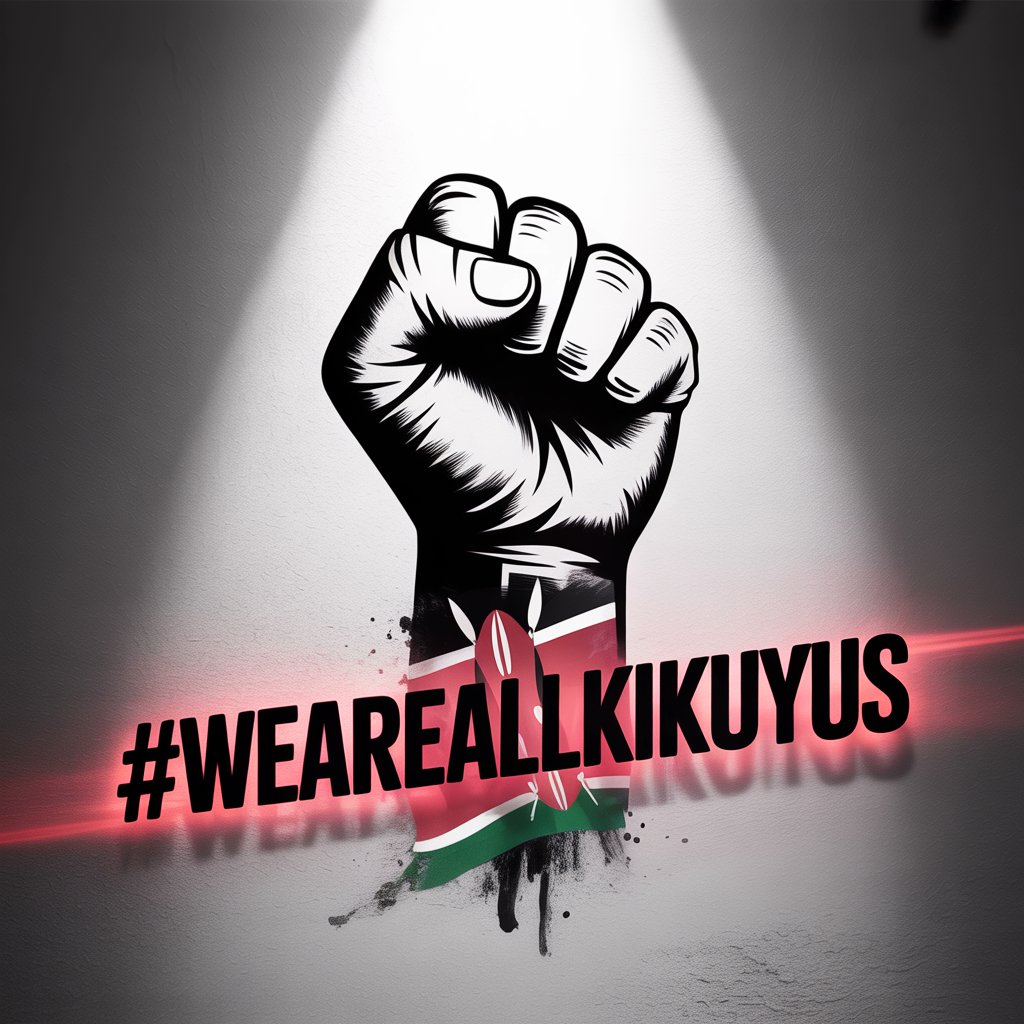
In Kenya’s charged political theatre, few phrases have hit harder than #WeAreAllKikuyus, the hashtag that stormed to the top of X (formerly Twitter) trends overnight and hasn’t left since. What started as a tongue-in-cheek retort to a tired old tactic has now turned into a national rallying cry, exposing deep frustrations with tribal politics, government spin, and the raw energy of Kenya’s restless youth.
So, what exactly is happening? Why are thousands of Kenyans, from the Coast to Kisumu, Nairobi to Nyeri, suddenly claiming Kikuyu identity online? And what does this unexpected show of unity say about the state of Kenyan politics in 2025?
It Began With Saba Saba
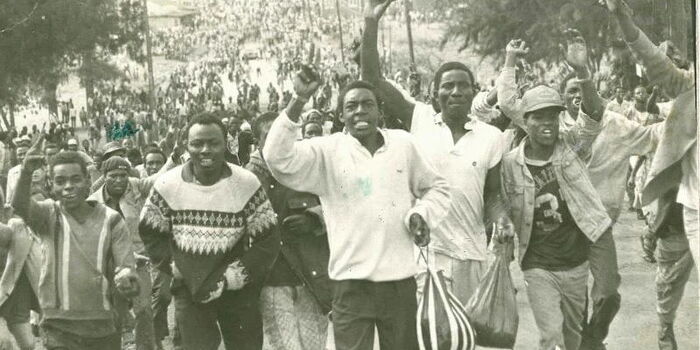
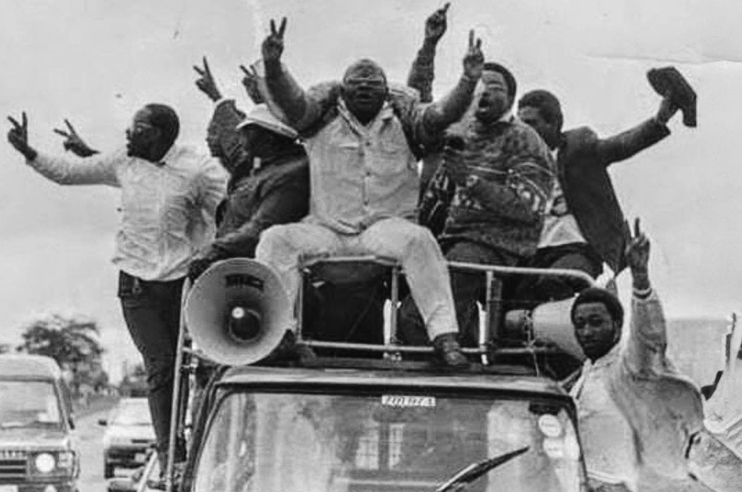
To understand this moment, you have to understand Saba Saba. Swahili for “Seven Seven,” or the 7th of July. The date is etched in Kenya’s history as the day, back in 1990, when brave citizens took to the streets demanding multiparty democracy. It is a day that symbolizes resistance against repression and for three decades, it’s been commemorated by the older generation of activists.
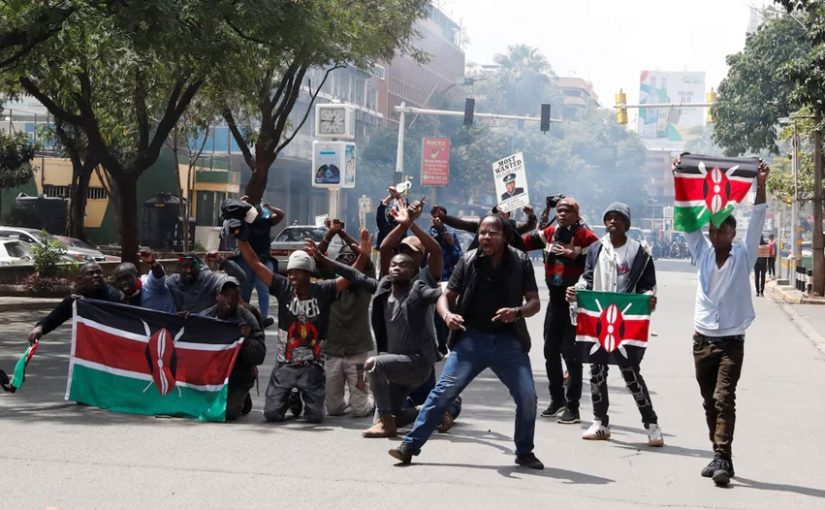
But in 2025, Saba Saba found new life and a new face. Frustrated by punitive taxes, corruption, runaway cost of living, and feeling betrayed by leaders they once trusted, thousands of mostly Gen Z and millennial Kenyans poured onto the streets. And unlike previous protests, the spark didn’t come from Nairobi alone, or Kisumu, or Mombasa but from the heart of Mt. Kenya, the land of the Kikuyu.
For decades, Kenya’s largest tribe economically powerful, deeply embedded in state structures was stereotyped as the “system,” the establishment. But this time, the sons and daughters of Central Kenya rose up to say: We are not the system. We are hustlers, strugglers, jobless graduates. We are tired.
The Accusation and the Backlash
When the protests rattled Nairobi and the mountain counties, the government scrambling to contain the narrative dismissed the demos as “tribal politics.” Some high-ranking officials and pro-government influencers claimed the chaos was just a Kikuyu power play, that other tribes had nothing to do with it.
But Kenyans online weren’t buying it. Screenshots of the statements spread like wildfire. Within hours, the comeback was born:
“If it’s Kikuyus protesting bad governance, high taxes, police brutality, corruption then guess what? We are ALL Kikuyus now.”
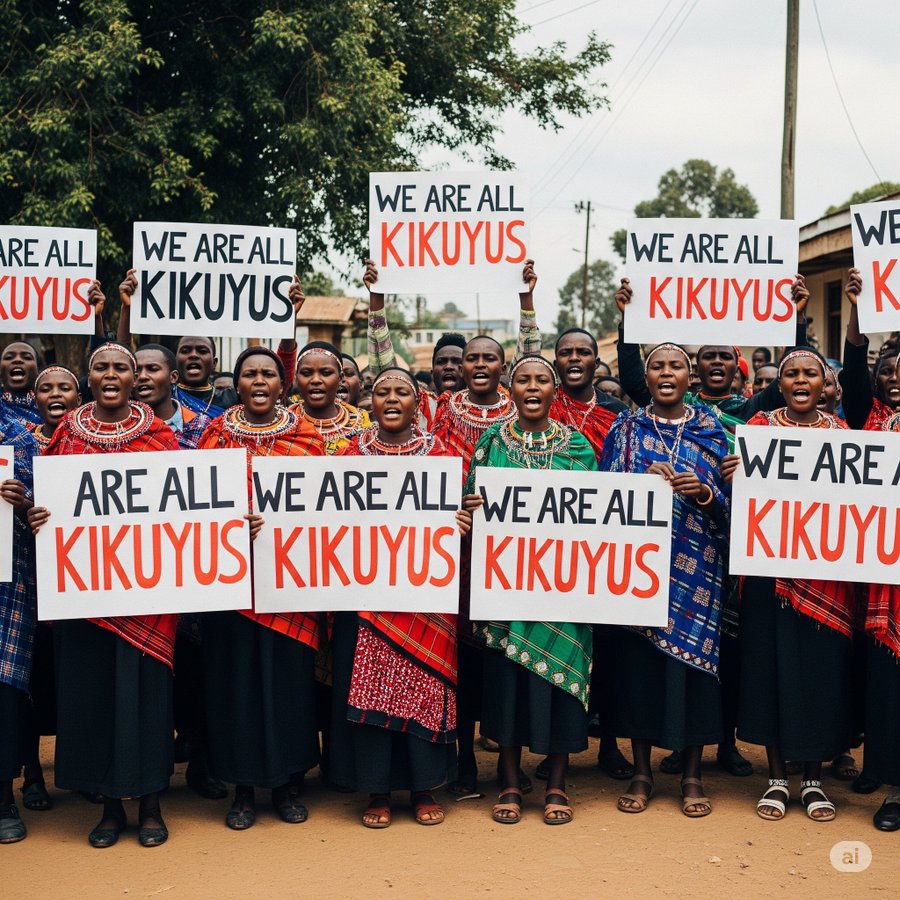
The hashtag #WeAreAllKikuyus began trending by midnight. By dawn, it was the top conversation on X in Kenya and in the region. Kenyans from all walks of life, Kamba, Luo, Luhya, Somali, Mijikenda, Kalenjin, Maasai, young and old were posting selfies, memes, and placards with the same message: This struggle is for all of us.
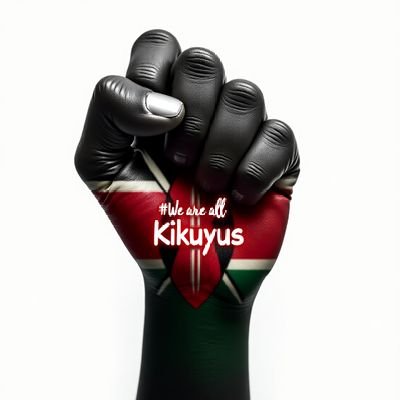
A Moment of National Self-Reflection
In a country where tribal identity is often wielded like a political weapon, this spontaneous burst of “Kikuyufication” is more than just a hashtag. For decades, Kenyan elections have been a game of tribal arithmetic. Coalitions rise and fall on the back of ethnic alliances and patronage.
But the events of July 2025 have exposed an uncomfortable truth: the old tribal narratives can’t hold back the anger anymore. The reality is simple, poverty, joblessness, and hopelessness do not know tribe.

As one viral tweet put it: “Hunger doesn’t check your surname before it bites.”
The Street Meets Satire
It wouldn’t be Kenya without a bit of humour in the chaos. From memes of politicians “changing their names” to skits about sudden “Kikuyu ancestors,” Kenyans turned the trend into a hilarious (and biting) satire.
Moses Omondi from Siaya now jokes that he’s “Kamau Omondi.'' “we are all one tribe now.”
Even celebrities have jumped in TikTok and X are flooded with comedians rebranding themselves as “Wangeci,” “Wanjiku,” “Kamau,” or “Maina.”
A Shift, Or Just Cheap Optics?
Not everyone is convinced that this is the dawn of a new, tribe-blind Kenya. Some analysts see opportunistic politicians simply piggybacking on the trend to win back Gen Z support. After all, Kenyan politics has mastered the art of co-opting rebellion.
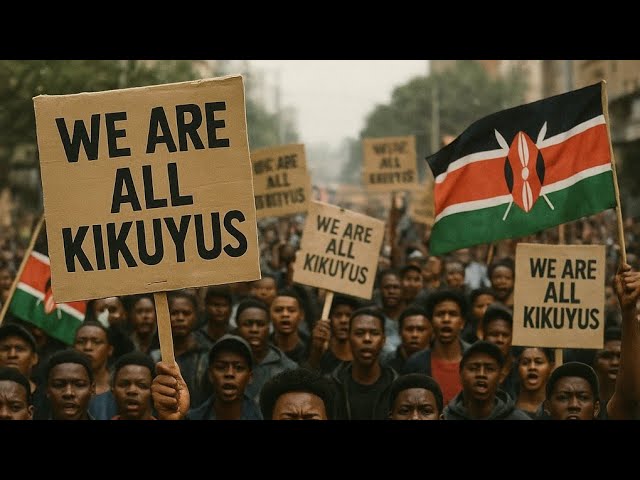
But others argue that something bigger is happening that the youth, who make up over 70% of the population, are too connected and too frustrated to keep swallowing recycled tribal slogans. The speed at which #WeAreAllKikuyus spread shows just how eager Kenyans are for a new script one that puts everyday struggles above old ethnic games.
A Risky Gamble for the Ruling Class
What does this mean for the powers that be? Well, they might brush it off as another hashtag moment but they’d be wrong to underestimate it. The 2025 Saba Saba protests have already claimed lives, shut down cities, and embarrassed the government globally.
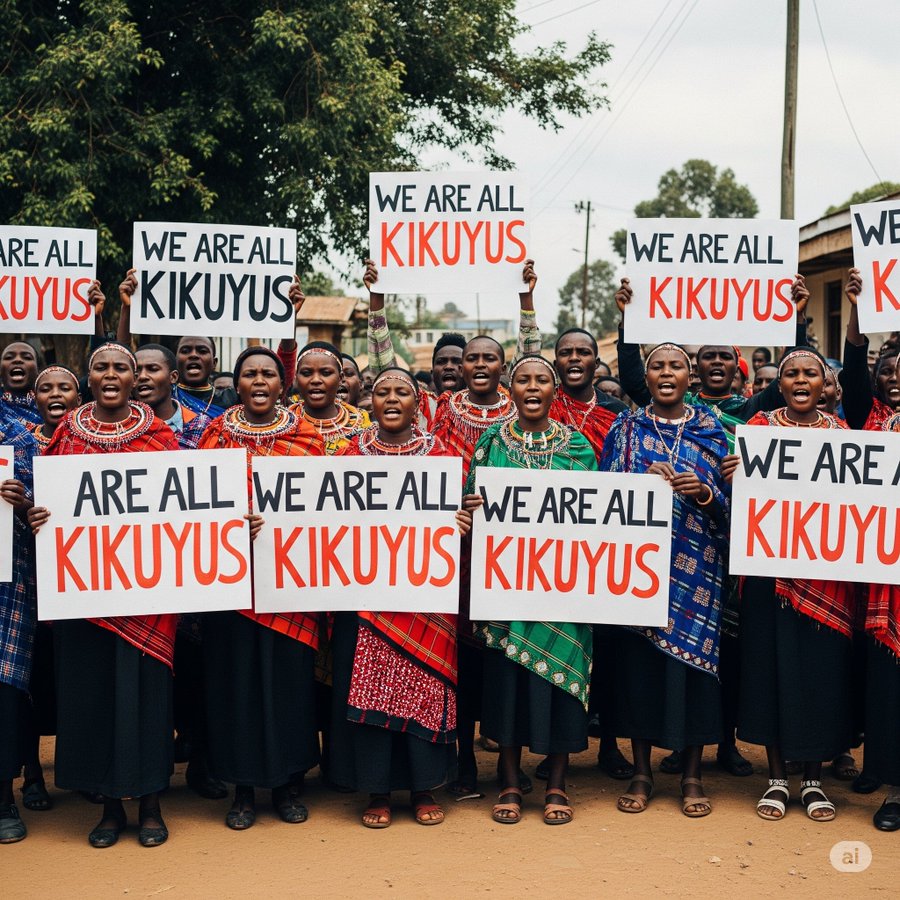
If the slogan holds and if Kenyans stay united long enough to vote together for shared interests instead of tribe, then the next elections could break old political equations wide open.
For now, though, one thing is clear: No one wants to be left out. Politicians who once weaponized tribal divides are now tripping over themselves to stand in solidarity. Some genuinely mean it. Others probably don’t.
But whether it’s satire or serious, the message has been sent:
“Tukiumia, tunaumia wote. Kama ni Kikuyus wanalia, basi sisi wote ni Kikuyu.”
Where Does It Go From Here?
Will #WeAreAllKikuyus fade by next week? Maybe. Or maybe it becomes something bigger a reminder that in the face of broken promises, skyrocketing taxes, police crackdowns and the unbearable cost of living, tribe doesn’t protect you.
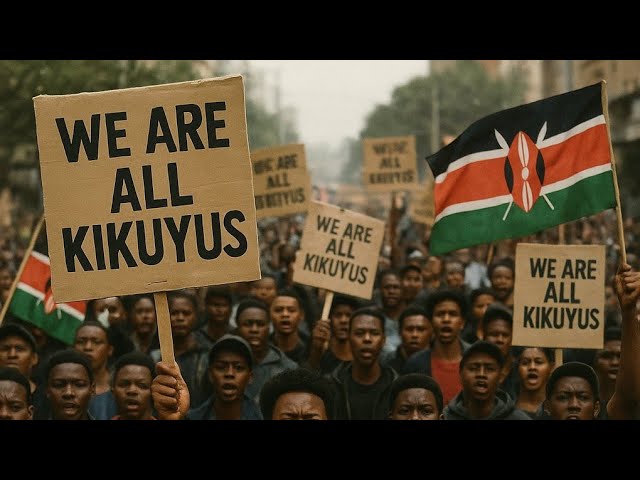
If Kenya’s youth hold onto that lesson and build on it the “tribe card” might finally lose its power.
For now, as the tear gas clears and the hashtags rage on, one thing is certain: in the streets, online, and maybe in the ballot box, Kenyans are watching and they are all Kikuyus now.