

Why Kenyans Must Reject Cherargei’s 7-Year Term Limit Bill
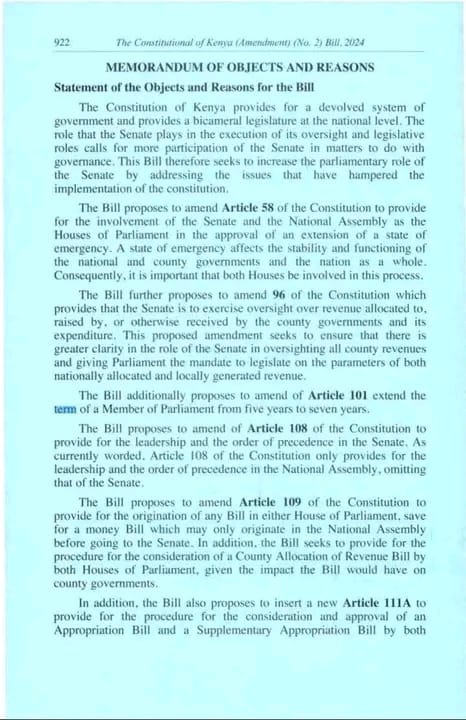
Senator Samson Cherargei’s Constitution of Kenya (Amendment) (No. 2) Bill, 2024 is currently at its second reading in Parliament, and it has sparked heated debate across the country. The bill seeks to amend key articles of the 2010 Constitution to extend the term of elected leaders from the current 5 years to 7 years.
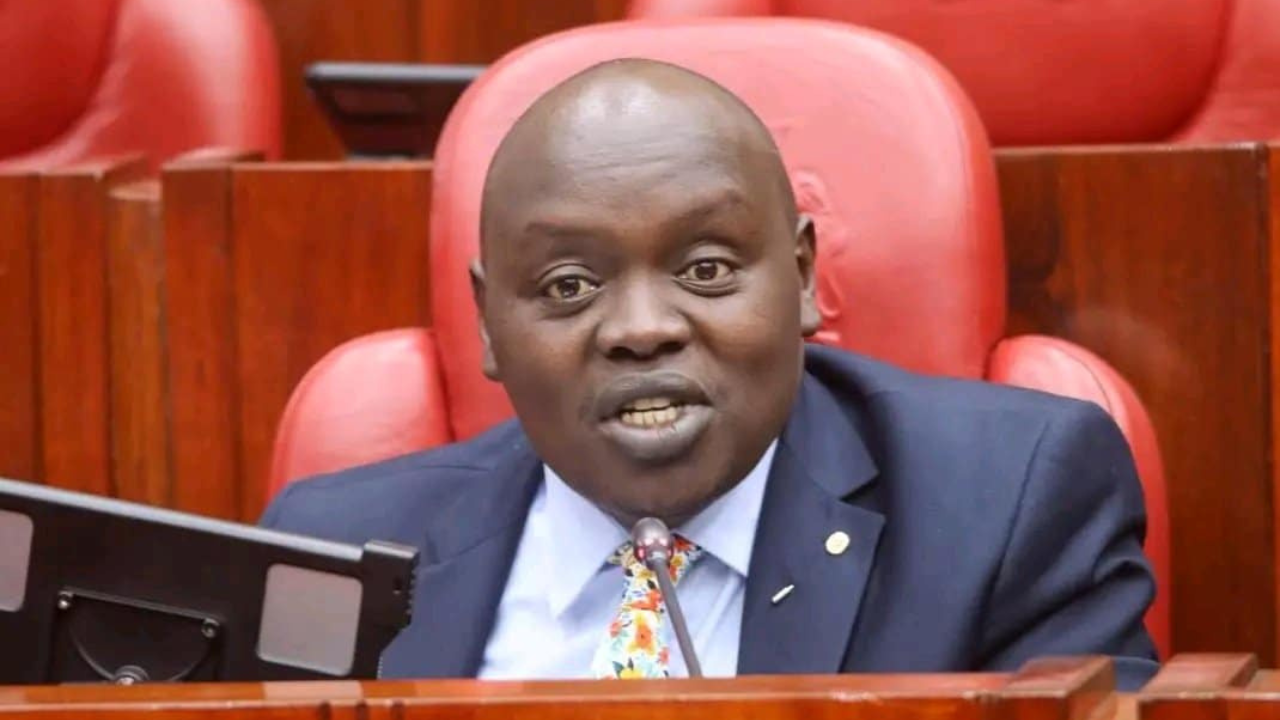
If passed, this amendment would fundamentally alter Kenya’s democratic structure, slow down accountability, and give politicians unchecked time in office. Many Kenyans see this bill as a self-serving proposal by the political elite rather than a solution to the country’s governance challenges.
Key Amendments Proposed in the Bill
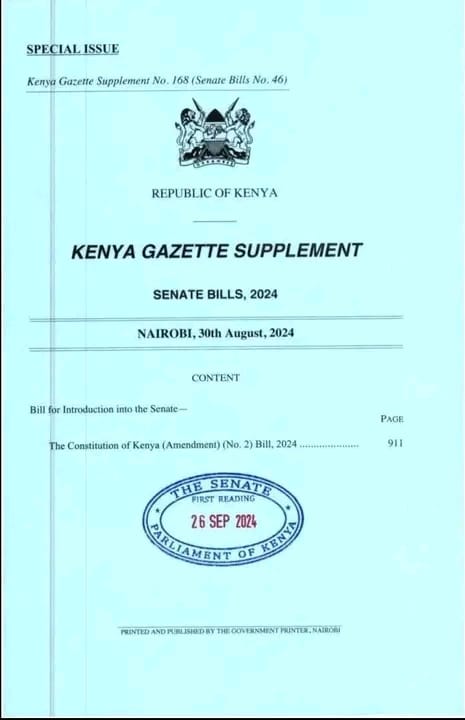
The bill targets several crucial sections of the Constitution. Among the most controversial proposals are:
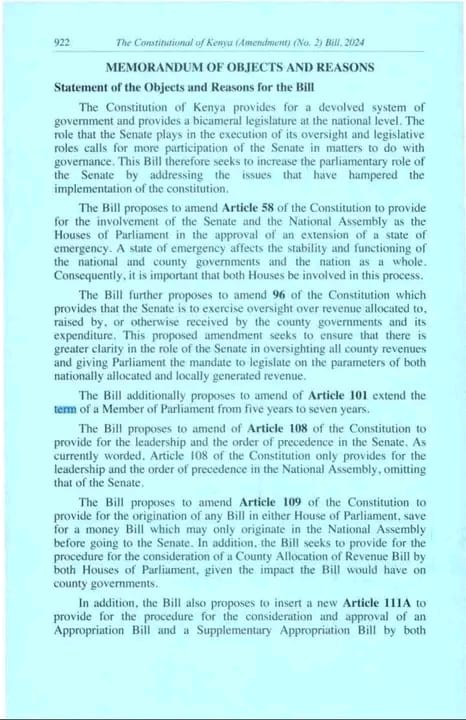
- Article 101 – Extends the term of Members of Parliament (MPs) from 5 to 7 years.
- Article 136 – Extends the term of the President from 5 to 7 years.
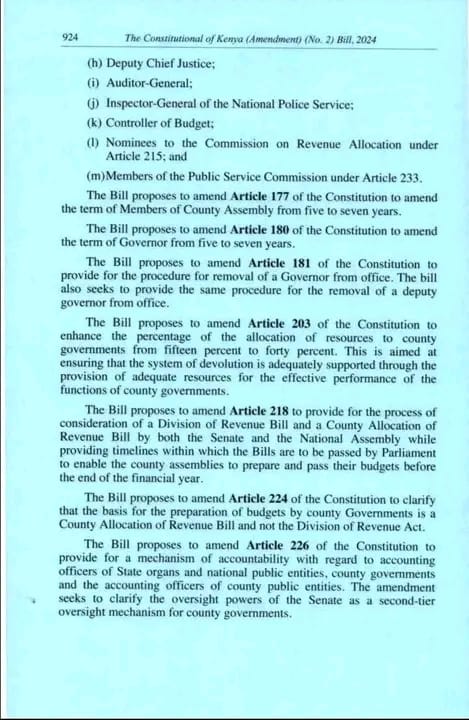
- Article 177 – Extends the term of Members of County Assembly (MCAs) from 5 to 7 years.
- Article 180 – Extends the term of Governors from 5 to 7 years.
- Article 58 – Seeks Senate and National Assembly approval before an extension of a state of emergency.
- Article 96 – Redefines the Senate’s oversight role on county revenue.
- Article 108 – Alters the order of precedence in Parliament.
- Article 109 & 111A – Changes the process of how money bills and revenue bills are introduced and considered.
- Article 181 – Amends procedures for removing Governors and Deputy Governors.
- Article 203 – Increases county revenue allocation from 15% to 40%.
- Article 218 & 224 – Clarifies procedures for budget preparation at county and national levels.
- Article 226 – Expands oversight responsibilities of the Senate on public entities.
- Article 151 – Introduces the new Office of the Prime Minister, appointed by the President.
At first glance, some of these proposals may appear progressive, such as increasing county allocations. However, the real danger lies in the extension of political terms from 5 years to 7 years, which overshadows everything else.
Why the Extension of Terms Is Dangerous
- A Direct Attack on Democracy – Kenya’s democracy is built on accountability and regular elections. Elections are the people’s weapon against poor leadership. By extending terms, politicians are shielding themselves from voters for two extra years, weakening the democratic process.
- Longer Window for Corruption – Kenya already struggles with corruption scandals every electoral cycle. With a 7-year term, leaders would have more time to loot resources before facing the ballot.
- Entrenching Political Elites – Extending terms will only benefit the ruling class. It means fewer opportunities for new leaders to emerge, silencing fresh voices and ideas in governance.
- Betrayal of the 2010 Constitution – The 2010 Constitution was designed after years of struggle to limit power, reduce impunity, and increase accountability. This bill undermines that spirit and risks returning Kenya to authoritarian tendencies.
What Kenyans Actually Need: 3-Year Terms, Not 7
Instead of pushing for longer terms, leaders should be debating how to shorten terms from 5 years to 3 years.
Here’s why 3-year terms would benefit Kenyans:
- Faster Accountability – Politicians would have to deliver results quickly.
- Prevents Complacency – Leaders cannot sit comfortably for long knowing elections are far off.
- Encourages Competition – More frequent elections mean greater chances for new leaders and ideas to emerge.
- Strengthens Democracy – Leaders remain closer to the people, fearing early elections if they underperform.
This system would put pressure on leaders to serve citizens rather than themselves.
The Hidden Agenda Behind the Bill
Critics argue that this bill is not about development or strengthening devolution, but about self-preservation by the political elite. The hidden motives include:
- More Time in Power – Politicians want a longer leash before being held accountable.
- Fewer Elections – Reducing elections reduces citizens’ ability to punish poor leadership.
- Political Rewards – Creation of the Prime Minister’s office is another tool to reward loyal allies and cement control.
Simply put, this bill is about politicians protecting their interests at the expense of the people.
Citizen Voices and Reactions
Across Kenya, ordinary citizens, civil society, and activists have raised concerns:
- “Instead of adding years, reduce them! Let these leaders prove themselves faster.”
- “This is a direct insult to Kenyans who fought for the 2010 Constitution. We cannot allow it.”
- “Seven years is too long. Imagine being stuck with a corrupt leader for that long without elections.”
These voices reflect a widespread rejection of the bill among the public.
What Kenyans Must Do
For democracy to survive, Kenyans must rise and reject this bill at all costs. Here’s how:
- Raise Awareness – Spread information about the dangers of the bill through social media, forums, and community meetings.
- Mobilize Civil Society – Human rights groups and activists must rally the people against this amendment.
- Demand 3-Year Terms – Make it clear that the people want shorter terms, not longer ones.
- Pressure Parliament – MPs and Senators must be reminded they represent the people, not themselves.
- Stay Vigilant – Any attempts to sneak this bill into law must be opposed through protests, petitions, and legal action.

Conclusion
Senator Cherargei’s Constitution Amendment Bill is a clear and present danger to Kenya’s democracy. Extending terms from 5 to 7 years is not about improving governance, it is about giving politicians more time to enrich themselves while reducing citizen power.
Kenya does not need longer political terms. If anything, the terms should be reduced from 5 years to 3 years to increase accountability, improve service delivery, and ensure leaders remain true servants of the people.
👉 The time to act is now. Kenyans must reject this bill loudly and firmly. Democracy belongs to the people, not to the politicians.


