You May Soon Need Permission to Use Viral Catchphrase “Ni Mbaya”
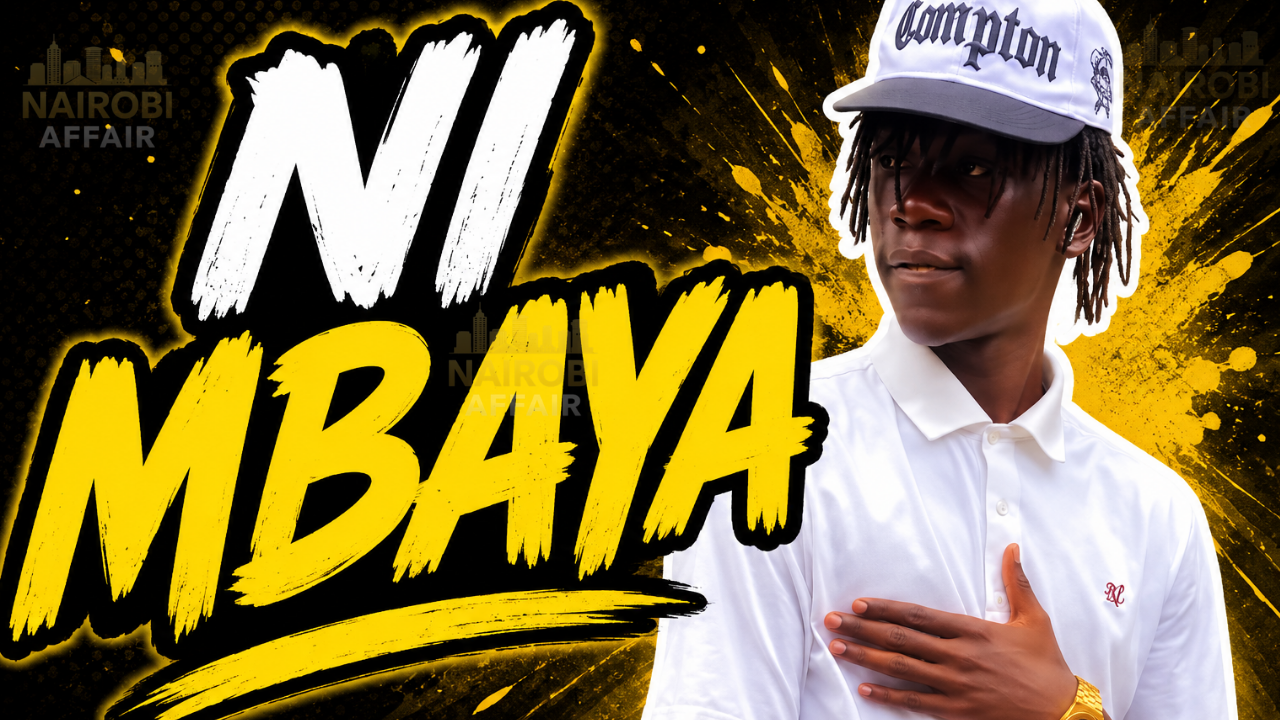
The viral phrase “Ni mbaya,” which has dominated Kenyan social media conversations in recent weeks, could soon become legally protected, potentially forcing brands, influencers, businesses and content creators to seek permission before using it commercially.
The internet personality behind the now-famous catchphrase has reportedly warned individuals and companies against profiting from the phrase without authorization, saying legal action could be taken against anyone using it for commercial gain without consent.
The warning has sparked widespread debate online, with many Kenyans questioning whether viral internet phrases can truly be owned once they become part of public culture.
“Ni mbaya” first exploded across platforms such as TikTok, Facebook, Instagram and X, where thousands of users began using the phrase in memes, reaction videos, skits, captions and trending clips.

As the trend continued gaining popularity, businesses and online brands quickly jumped on it, incorporating the phrase into marketing campaigns, branded content, merchandise and promotional posts in an attempt to capitalize on its viral appeal.
However, the creator behind the phrase now argues that the slogan has evolved into a recognizable personal brand associated directly with his online identity and influence.
According to reports circulating online, the warning could affect:
• Advertising campaigns
• Sponsored social media content
• Merchandise and clothing prints
• Monetized TikTok and YouTube content
• Business promotions using the phrase
The situation has now divided opinion online.
Some Kenyans believe creators deserve to benefit financially from trends and catchphrases they popularize, especially when companies and influencers make money using content that originated from ordinary internet users.
Others argue that once a phrase becomes widely adopted by the public, it transforms into internet culture and becomes nearly impossible to control or restrict legally.

Legal experts say trademarking a viral phrase may be possible under certain conditions, particularly if it becomes tied to a commercial identity or personal brand. However, enforcing such rights may prove difficult once the phrase has already spread widely across social media and public conversations.
The controversy has also highlighted growing discussions around digital ownership, influencer branding and intellectual property rights within Kenya’s rapidly expanding online creator economy.
As influencers and viral personalities continue gaining commercial power online, more creators are now exploring ways to legally protect slogans, catchphrases and viral content connected to their brands.
Whether “Ni mbaya” eventually becomes fully protected or not, the debate has already raised an important question in Kenya’s digital era:
Who truly owns viral culture once the internet makes it public?


