President William Ruto Finally Admits Building a Sh1.2 Billion Church at State House
President William Ruto confirms constructing a Sh1.2 billion church at State House Nairobi, stating it is fully funded by his personal resources. The project has ignited national debate over secularism and public accountability.
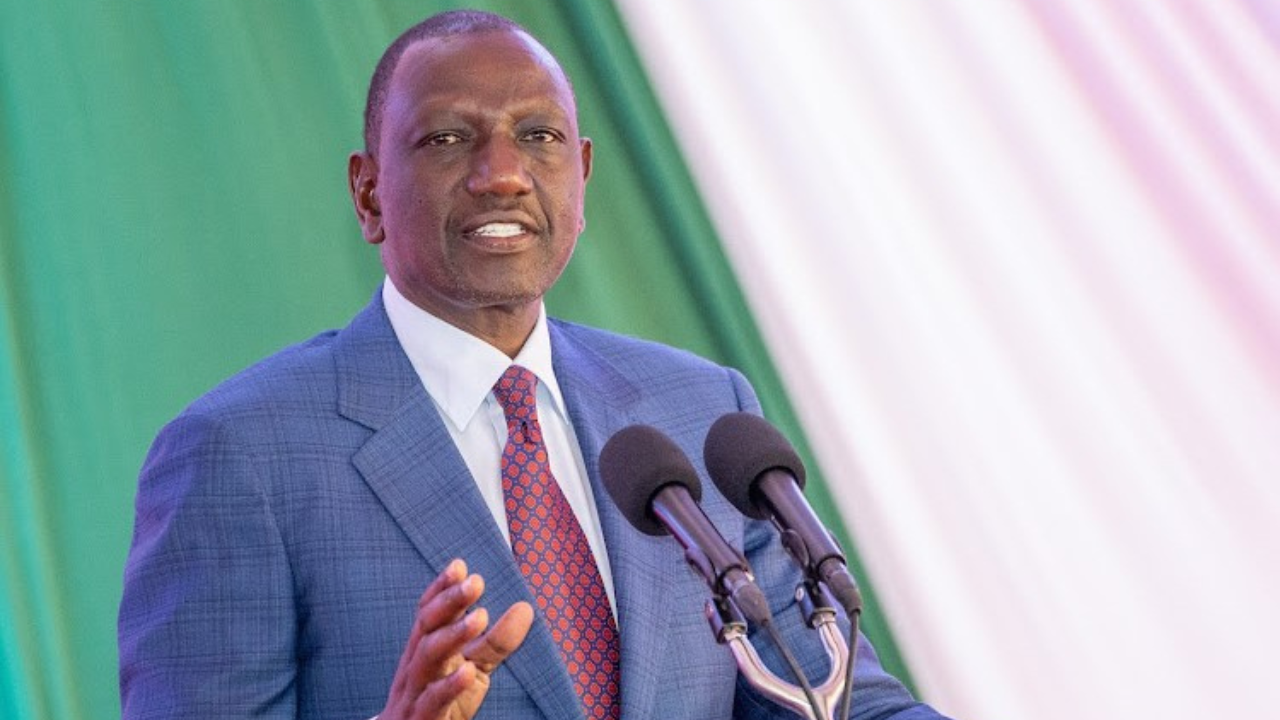
President William Ruto has publicly defended the controversial construction of a new church at State House Nairobi, emphasizing that the Sh1.2 billion project is fully financed by his own money.
The Kenya State House church has become a trending topic on social media after reports from the Daily Nation alleged the project would cost taxpayers nearly Ksh1.2 billion. However, the President firmly denied any misuse of public funds, clarifying that he was personally footing the bill for what he considers a necessary and dignified place of worship.
Speaking during an address that has since gone viral, Ruto stated:
“I am a man who believes in God, and I have no apologies to make for building a church. I have no apology. Do you understand me? And I will not apologize to anyone for building a church. Let Satan be angry and do what he wants.”
Ruto explained that upon assuming office, he found an old “mabati” church on the premises and felt it was inappropriate for the official presidential residence.
“Here at the State House, I came and found a mabati church. Is a mabati church enough for the State House even in your opinion?”
Funding and Accountability
Amid rising concerns about transparency and accountability, Ruto clarified that the funds were sourced entirely from his personal finances:
“I am not building it with government money. I am building it with my own money,” he reiterated.
He added that once complete, the new church would be open to all Kenyans to come and pray, emphasizing that faith has always played a central role in his life and leadership.
Rising Tension Over State and Religion
Despite the President’s assurance, the Sh1.2 billion State House church project has drawn sharp criticism from civil society groups and legal experts, who argue it blurs the line between church and state in violation of the Kenyan Constitution.
The Atheists in Kenya Society, led by Harrison Mumia, issued a strongly worded statement condemning the construction. They described the project as “shocking and unacceptable,” claiming it promotes Christian nationalism at the expense of secular governance.
“This project is a clear violation of Article 8 of the Constitution, which establishes Kenya as a secular state,” the organization said.
According to the group, they have already directed their lawyers to file an urgent legal petition to stop the construction, alleging that it represents an “egregious misuse of resources,” even if the President insists the funds are his own.
Public Reactions
The story has triggered intense debate online, with Kenyans split over whether the President’s personal beliefs should influence State House facilities.
Supporters argue that as long as no taxpayer money is involved, there is no issue with Ruto expressing his faith. Critics counter that constructing such a prominent religious monument inside the country’s most important government building sends the wrong message about Kenya’s religious neutrality.
Ruto remains unmoved by the criticism. He said:
“We will build a church of God. Let Satan be angry and do what he wants.”
The President concluded by reiterating that he had no apologies to make and no plans to halt construction, which he believes will serve as a symbol of hope and faith for the nation.