
Gachagua’s Tribal Rhetoric Sparks Outrage in the U.S. as Kenyans Demand Unity
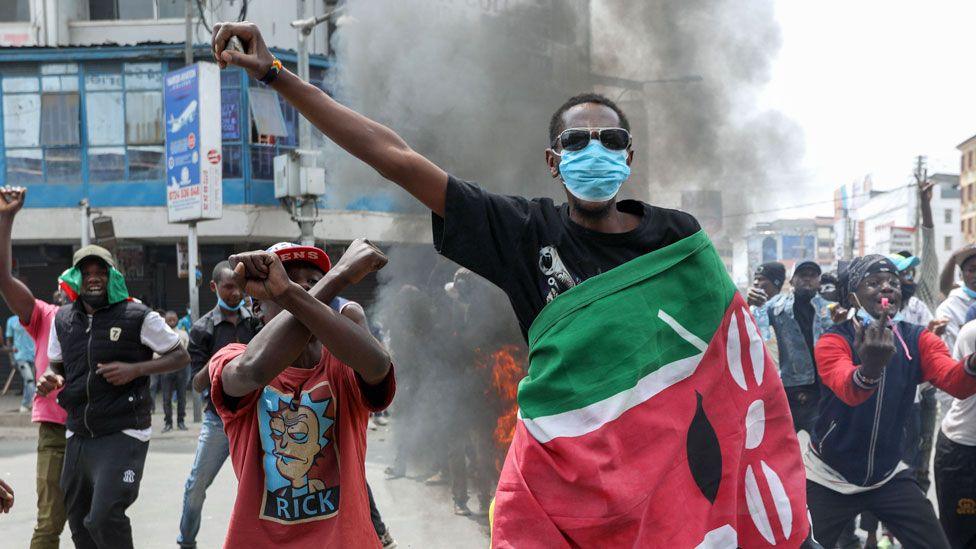
Former deputy President Rigathi Gachagua faces intense criticism after reviving tribal rhetoric during his U.S. tour. Kenyans abroad demand unity, not division. Rigathi Gachagua has ignited a political firestorm during his ongoing U.S. tour, drawing fierce criticism from Kenyans at home and abroad for what many see as outdated, divisive tribal talk.
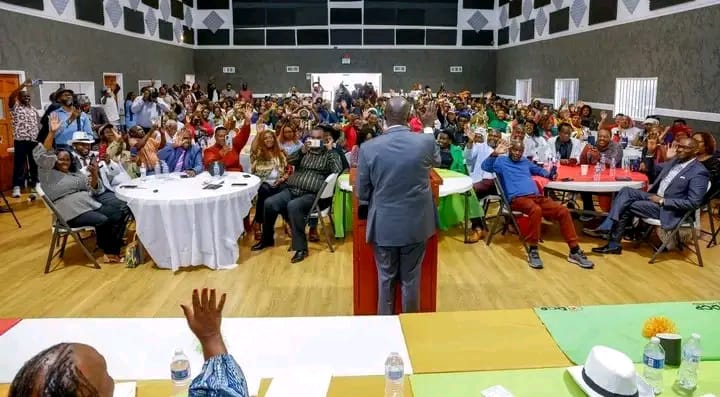
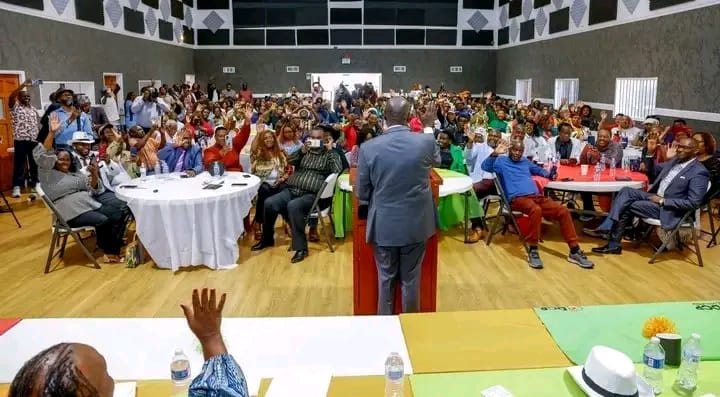
Speaking to the Kenyan diaspora in Seattle on July 11, Gachagua’s remarks peppered with tribal references and pointed jabs at opposition leader Raila Odinga, have triggered an online uproar. Social media platforms, especially X (formerly Twitter), are now flooded with angry reactions accusing him of exporting Kenya’s toxic tribal politics to a country where such divisions hold no sway.
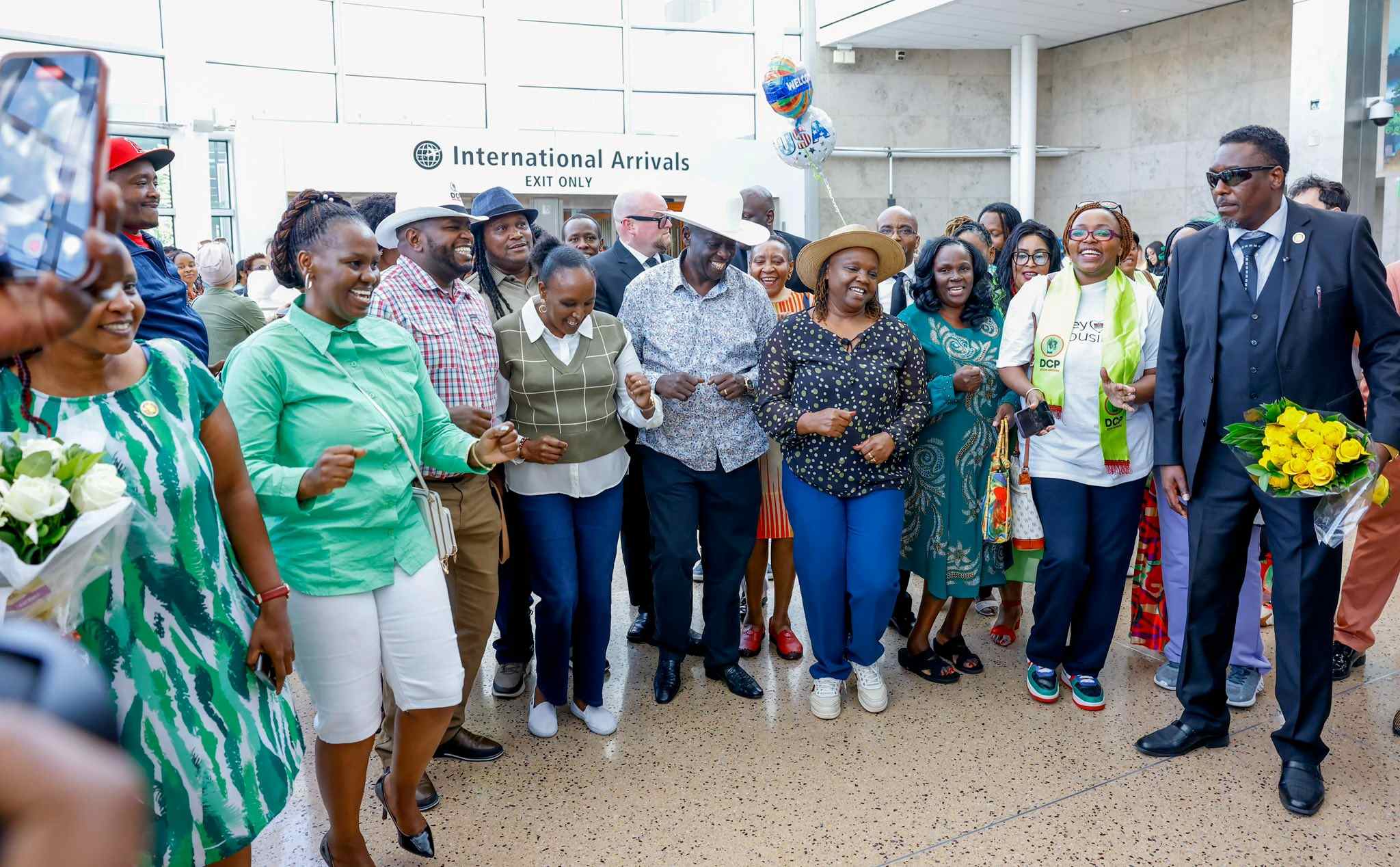
Gachagua, who arrived in Seattle on July 10 to begin a two-month tour aimed at rallying diaspora support for his Democracy for the Citizens Party (DCP) ahead of the 2027 elections, was expected to deliver a unifying message focused on economic growth, investment, and reform. Instead, clips circulating online show him leaning into familiar tribal tropes, claiming Raila Odinga mobilizes “other tribes” to gang up against the Mount Kenya region a voting block Gachagua says he represents.
“He can’t even talk about investment or invite investors to Kenya,” fumed one user on X. “All he does is meet his tribesmen and talk tribes.” Another added, “People in the USA are hearing him mention tribes and they’re like, ‘What are those?’”
The backlash has been swift and biting. Many Kenyans in the diaspora see Gachagua’s rhetoric as a direct threat to their efforts to promote a united, forward-looking national identity. “They want to know how their remittances can build Kenya, not hear about his village grudges,” wrote one user, referencing the billions sent back home annually by the diaspora, money that plays a massive role in the Kenyan economy.
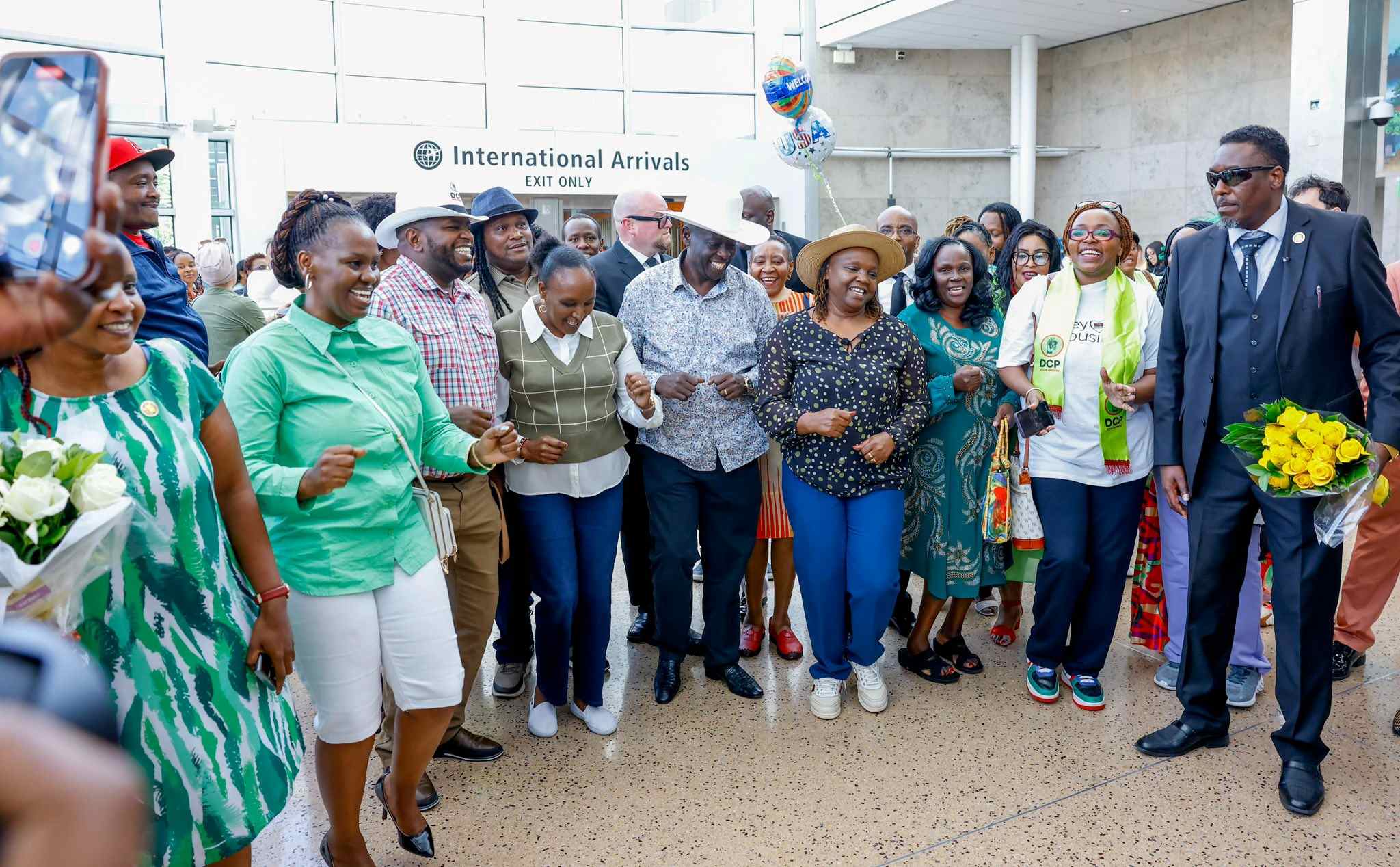
Attendees described Gachagua’s U.S. audience as a “judging crowd” that met his remarks with polite silence, a far cry from the cheers and applause such talk often attracts back in Kenya. One user summed it up bluntly: “Hapa ni Yues here, we don’t do tribal nonsense.”
Political analysts say Gachagua’s controversial focus is likely to backfire if he does not pivot soon. “His rhetoric is a masterclass in self-sabotage,” said Dr. Lucy Kariuki, a Nairobi-based political analyst. “The diaspora wants solutions, jobs, investment, stability not tribal politics that belong in the past.”
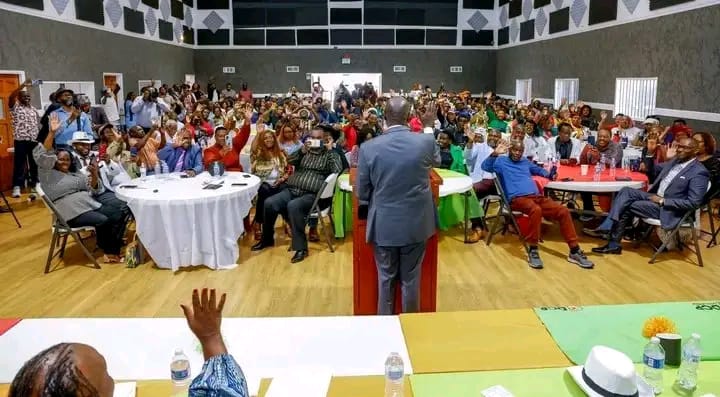
Observers also warn that Gachagua’s statements could damage Kenya’s image abroad, especially in a country like the U.S., where diversity is celebrated but ethnic divisions hold no political value. With stops still scheduled in Dallas, California, Boston, and Baltimore, all eyes are now on whether Gachagua will double down or shift his message to align with what the diaspora expects: unity and a clear plan for Kenya’s future.
For now, the consensus online is clear: Kenya’s diaspora does not want tribal politics exported abroad and Gachagua may need to rethink his tone if he hopes to win their trust ahead of 2027.
“He’ll realize quickly,” one user warned, “the U.S. isn’t Wamunyoro.”