
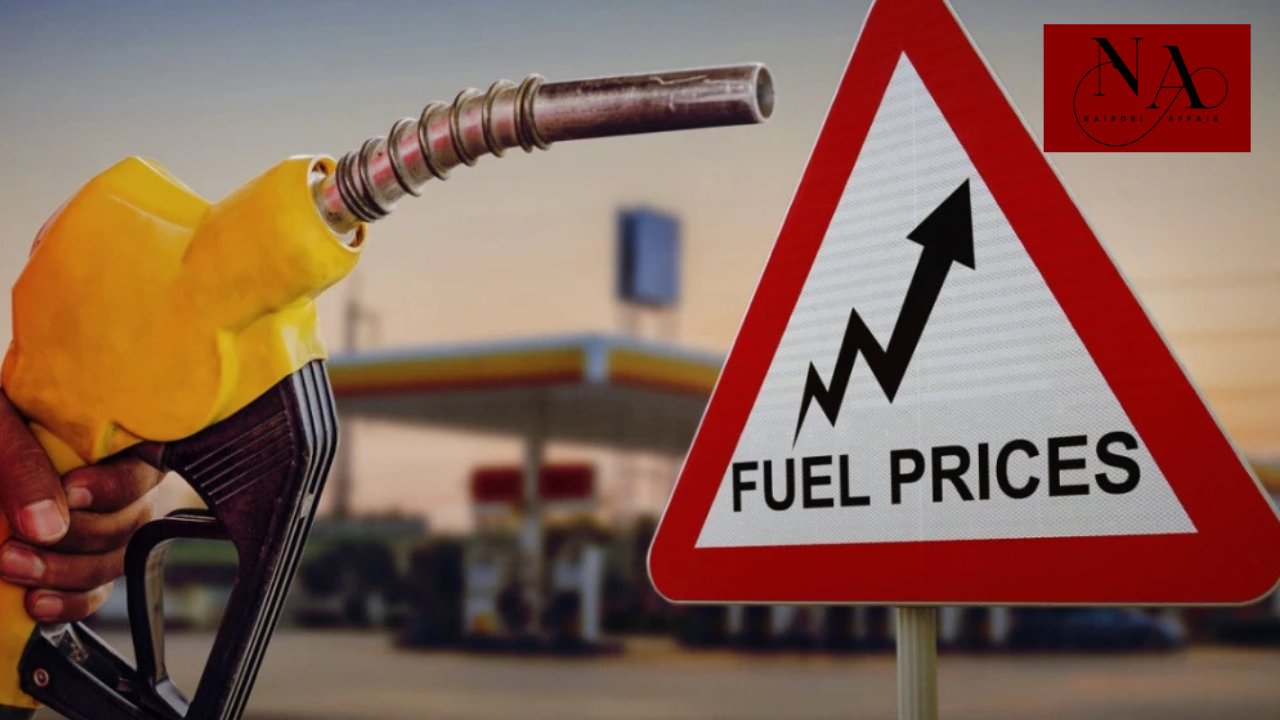
Kenya’s Fuel Prices Remain Highest in East Africa as EPRA Raises Pump Costs Again
Fuel Prices: How Kenya Compares to Tanzania and Uganda After Latest EPRA Hike
Kenya’s fuel prices have once again taken centre stage after the Energy and Petroleum Regulatory Authority (EPRA) announced fresh hikes, pushing the country’s pump costs even higher than regional neighbours Tanzania and Uganda.
In its latest monthly review released on Monday, July 14, EPRA revealed that Kenyans will now pay an additional KSh 8.99 per litre of petrol, KSh 8.67 for diesel, and KSh 9.65 more for kerosene. This means that motorists in Nairobi will now pay KSh 186.31 for petrol, KSh 171.58 for diesel, and KSh 156.58 for kerosene, rates that continue to bite hard for ordinary Kenyans already struggling with a high cost of living.
In its statement, EPRA said:
“We have determined the maximum allowed prices of petroleum products that will be in effect from Tuesday, July 15, 2025, to Thursday, August 14, 2025, in line with the Petroleum Act 2019 and Legal Notice No. 192 of 2022. The new prices reflect an upward adjustment due to global market trends and local factors.”
Tanzania Eases Burden with Lower Pump Prices
While Kenyans brace for costlier fuel, Tanzanians are breathing a sigh of relief after their regulator, the Energy and Water Utilities Regulatory Authority (EWURA) announced a slight decrease in pump prices from July 1.
According to EWURA, the adjustments are a result of the country’s new Finance Act, which came into effect this month. In Dar es Salaam, petrol now retails at around TSh 2,885, translating to about KSh 141.91 per litre, down from TSh 2,887 last month. Kerosene prices dropped even further to around KSh 130.68, while diesel dipped to about KSh 137.54 per litre.
These numbers show that Tanzanian motorists are paying about KSh 45 less per litre of petrol compared to their Kenyan counterparts.
Uganda Also Feels the Heat, But Not as Much
In neighbouring Uganda, pump prices have edged up slightly. According to the Uganda National Oil Company (UNOC), logistical delays along Kenya’s supply routes have pushed retail prices higher. In June, the cost of petrol rose from USh 4,900 (KSh 176.40) to about USh 5,050 (KSh 181.80) per litre.

Uganda heavily depends on Kenya for its fuel imports, about 90% of its annual petroleum products come through Kenya’s Mombasa port and Nairobi pipeline network. Any supply chain hiccups or new levies in Kenya usually trickle down to Ugandan consumers.
The Big Picture: East Africans Watching Kenya
This latest EPRA review is likely to fuel more debate on whether Kenya’s tax policies and pricing models are sustainable for households and businesses already grappling with high inflation and rising production costs.

The Finance Act 2023 doubled VAT on fuel from 8% to 16% a move that continues to stir public anger, protests, and endless petitions from industry players and civil society groups.
Tanzania, on the other hand, has managed to keep fuel relatively affordable by adjusting taxes and stabilising supply chains. Uganda’s slight hike still places its average fuel costs lower than Kenya’s, despite the country being landlocked and relying heavily on imports through Kenyan ports.
What Next?
As Kenyans adjust their budgets yet again, experts warn that rising pump prices will have a ripple effect on the cost of transport, goods, and essential services, pushing more families deeper into economic hardship.
For now, motorists have little choice but to dig deeper into their pockets or park their cars altogether, while hoping for policy changes that could provide relief at the pump in the near future.
What do you think about Kenya’s fuel prices compared to our neighbours’? Should the government reconsider its tax policy on fuel? Let us know your thoughts in the comments section below.
🟢 Stay tuned for more updates.