How the KCB Thika Heist Was Pulled Off: Tunnel, Police Station, KSh 52 Million
Inside the 2017 KCB Thika bank heist: how four suspects dug a tunnel under a police station, stole KSh 52m, faced court charges, and were released on bond in Kenya’s most audacious bank robbery.
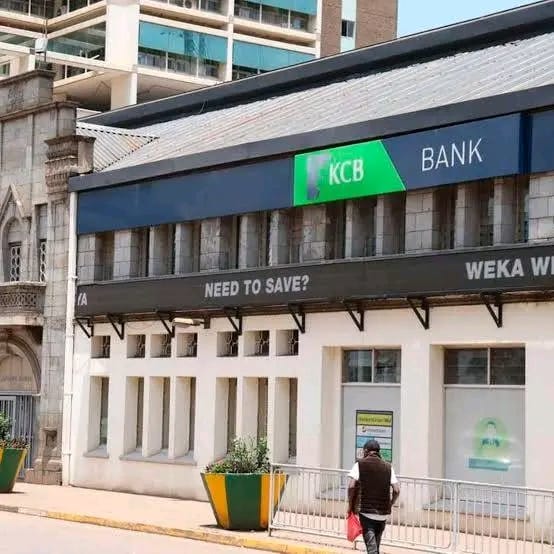
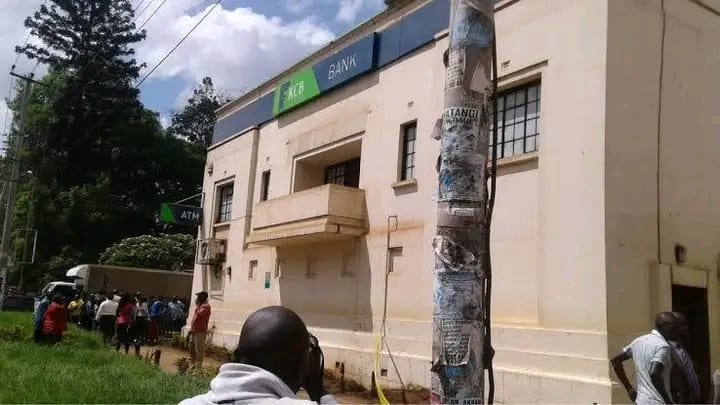
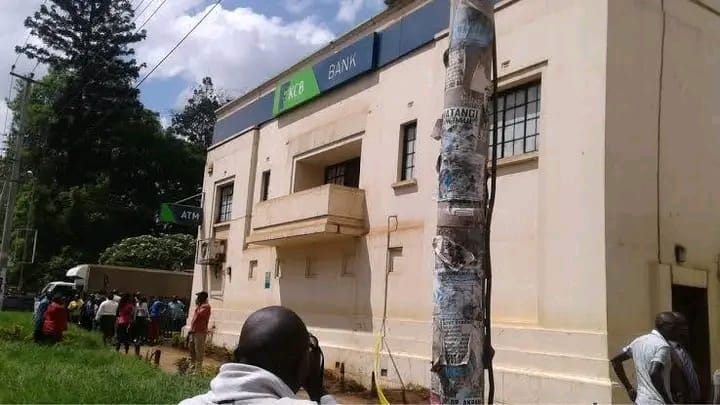
On Monday morning, 20th November 2017, staff at KCB Thika Branch walked in expecting a routine start to the week.
Branch manager Mr. Samuel Ng’ang’a led employees into the banking hall before heading to the strong room, the vault where millions of shillings are stored daily.
What they found instead would shake Kenya’s banking sector.
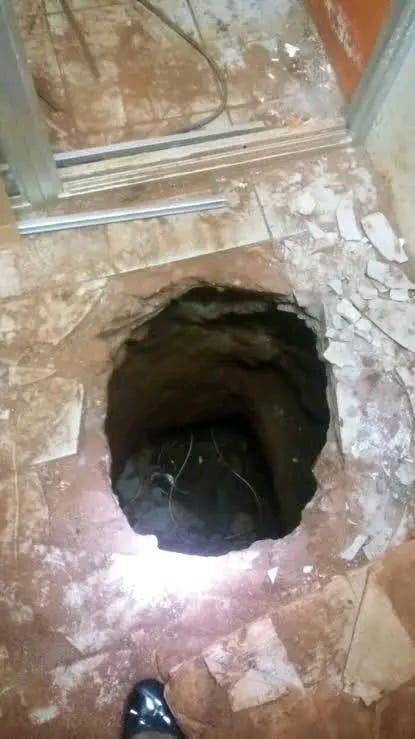
The vault had been breached.
Not cracked from the front.
Not forced open.
Accessed from underground.
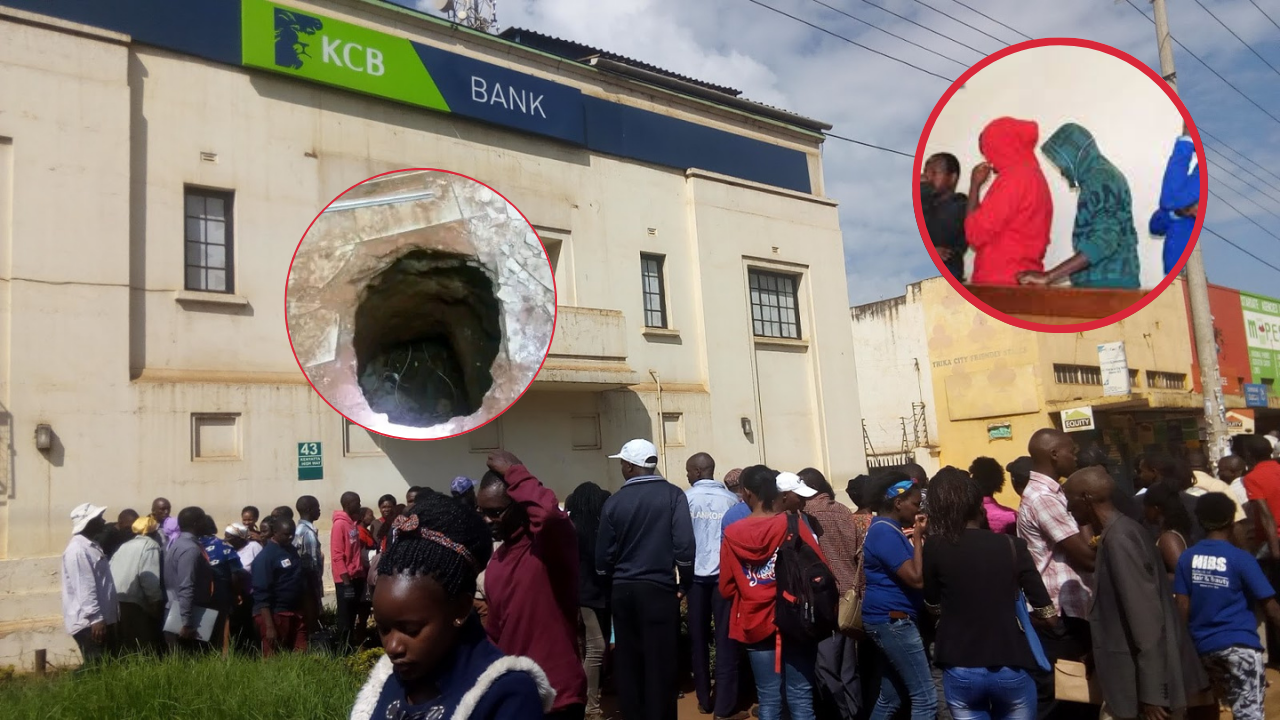
This moment marked the discovery of what would later be known as the 2017 KCB Thika bank heist, one of the boldest and most audacious bank robberies in Kenya’s history.
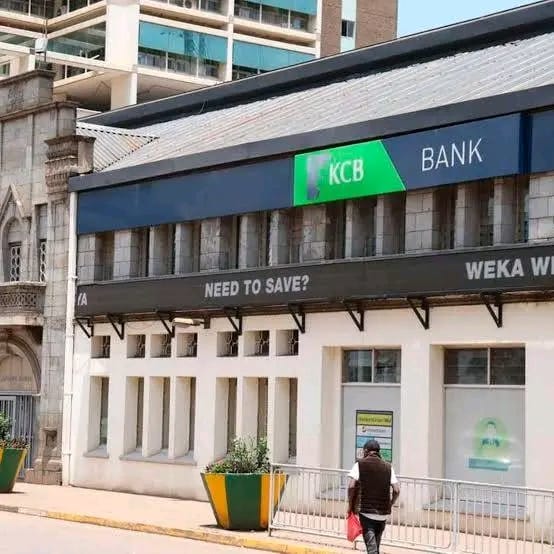
A Bank Vault Is Built to Resist A Bullet
A Kenya Commercial Bank vault is not an ordinary safe.
It is reinforced with steel, thick concrete, alarm sensors, and time-delay locking systems designed to withstand extreme force, fire, and tampering.
Breaking into one is considered nearly impossible.
Unless the criminals are willing to wait.
Six Months of Silent Preparation
Police investigations later revealed that six months before the robbery, three men, two brothers and their cousin, rented three small stalls approximately 20–30 metres from KCB Thika Branch.
Directly opposite the stalls stood Thika Police Station.
The men opened a small bookshop. Cartons moved in and out daily. To the public, It was business as usual.
But the cartons were not carrying books.
They were filled with soil.
Behind the shelves, the trio had begun digging an underground tunnel from the shop to the KCB Thika vault. They went about 10 metres deep, then tunneled 25–30 metres horizontally, reportedly using oxygen masks to survive underground.
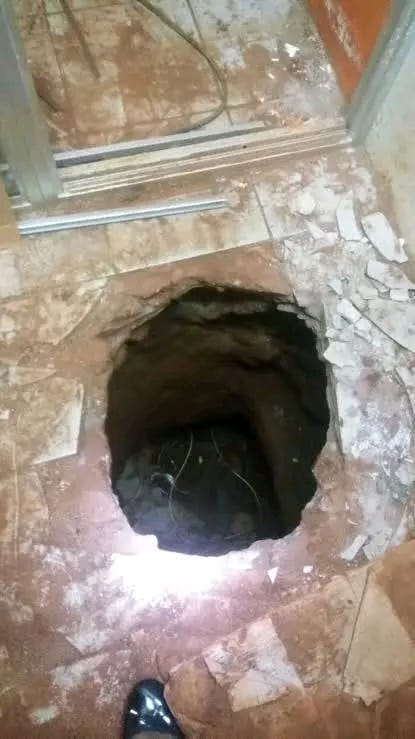
The soil was packed into sacks, hidden inside cartons labeled “books.”
For six months, no one raised suspicion.
Not shopkeepers.
Not landlords.
Not night guards.
Not even police officers across the road.
Execution Weekend: How the Tunnel Heist Happened
On Saturday, 18th November 2017, KCB Thika closed for the weekend.
That night, the final stage of the KCB Thika tunnel robbery began.
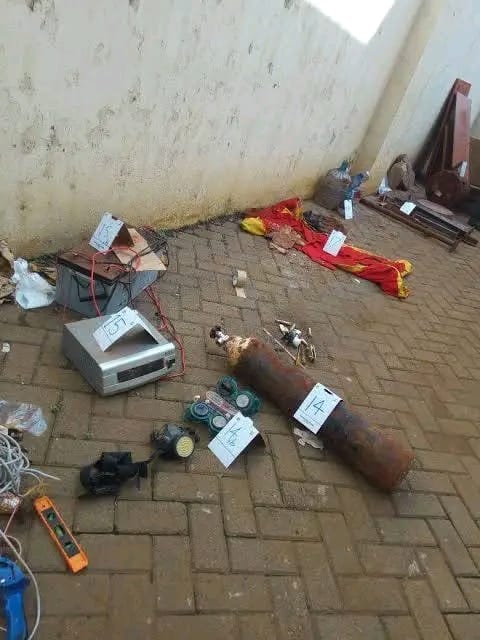
Using oxy-acetylene cutting torches, capable of producing temperatures exceeding 3,000°C, the criminals cut through reinforced steel and concrete to access the vault.
By Monday morning, they were gone.
Inside the strong room, cash trays were empty.
👉 KSh 52.65 million had vanished
👉 Along with foreign currencies including dollars and euros
No alarms were triggered.
No forced doors were visible.
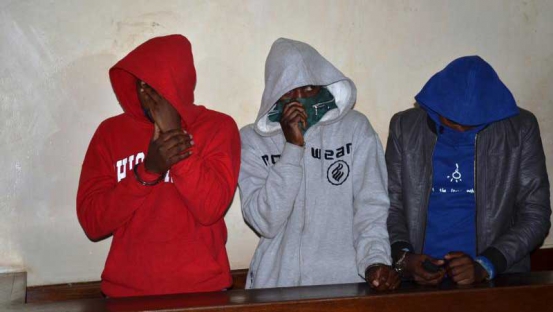
Arrests: Names, Ages, and Court Charges
Police launched a manhunt that led to arrests within a week.
On 25th November 2017, three suspects were arrested in Marurui Estate, Kiambu. They were identified as:
- Halford Munene Murakaru (32)
- Charles Mwangi Murakaru (30)
- Julius Ndung’u Wainaina (32)
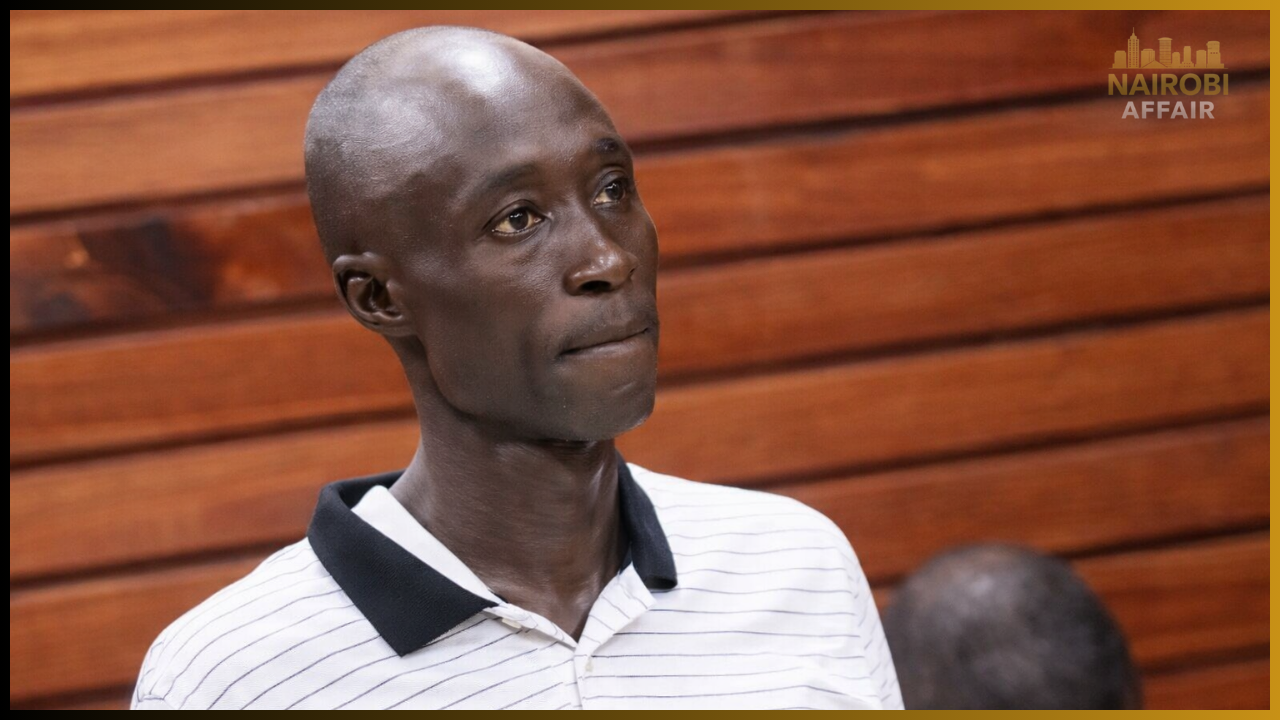
The suspects, two brothers and their cousin were arraigned at Thika Law Courts and charged with breaking into KCB Thika Branch through an underground tunnel and stealing over KSh 52 million.
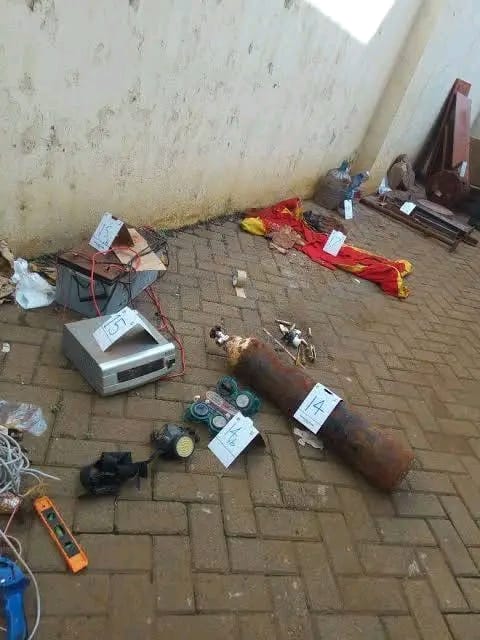
During searches at a house in Joyland Estate, Juja, police recovered approximately KSh 17 million, tools, and equipment believed to have been used in the heist.
A fourth suspect, Shem Karani Kirimi (26), a student at JKUAT, was later arrested in Mombasa and charged with involvement in the robbery.
All four suspects denied the charges.
Bail, Bond, and Lingering Questions
Charges Filed
At their first court appearance at Thika Law Courts, the suspects were charged with:
- Breaking and entering the KCB Thika branch through an underground tunnel
- Stealing KSh 52,650,000 and foreign currencies
- Handling stolen property
They denied the charges and were remanded in custody initially, with police arguing they were likely to flee or interfere with investigations.
Fourth Suspect Arrested
A fourth suspect, Shem Karani Kirimi (26) a student at Jomo Kenyatta University of Agriculture and Technology (JKUAT) was later arrested in Mombasa.
He was also charged with entering the bank through the tunnel and stealing part of the cash.
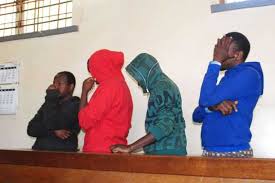
Additional Charges
The court later added fresh charges against all four suspects for being in possession of large amounts of:
- National identity cards
- Hundreds of SIM cards
- Central processing units (CPUs)
- Telecommunication authority cards
These were all suspected to be stolen property.
Bail and Bond
The four suspects were released on bond, each on KSh 4 million with sureties of similar amounts.
They were ordered to deposit their passports with the court and appear during future proceedings.
What Happened Next?
As of the latest documented reporting from 2017–2018:
- The suspects denied the charges and were fighting the case in court.
- They were out on bond awaiting trial, which means no final imprisonment sentence has been publicly confirmed in major reports.
Some later articles suggest the case dragged on with delays and legal arguments, but court records confirming convictions or jail terms were not widely published in mainstream news. (This often happens with long criminal trials in Kenya unless there’s a final.)