Raila Odinga Rejects Opposition Deal, Backs Ruto as Kenya Faces Protest Backlash
Raila Odinga Rejects Opposition Deal, Backs Ruto as Protests Grip Kenya
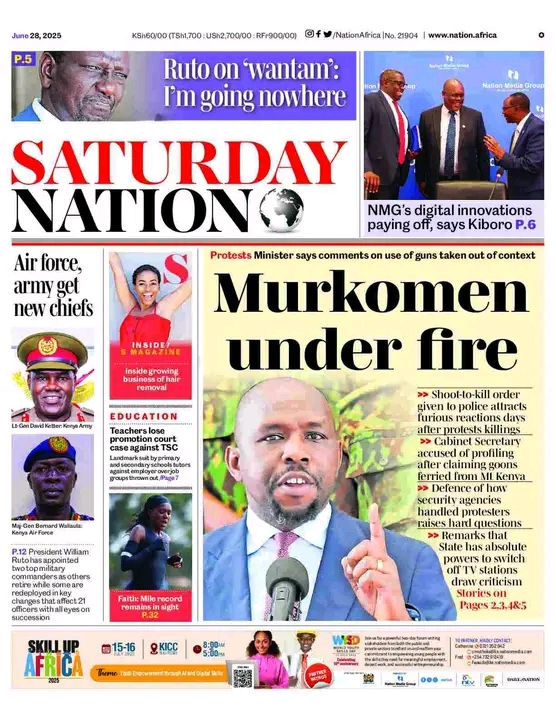
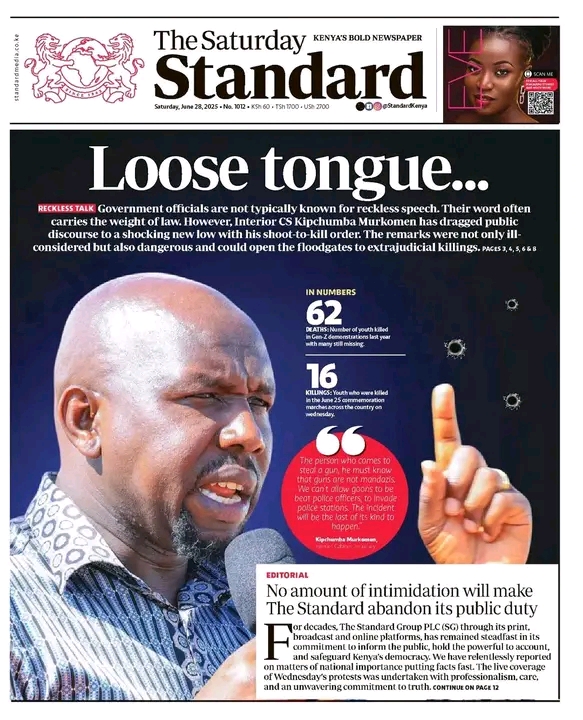
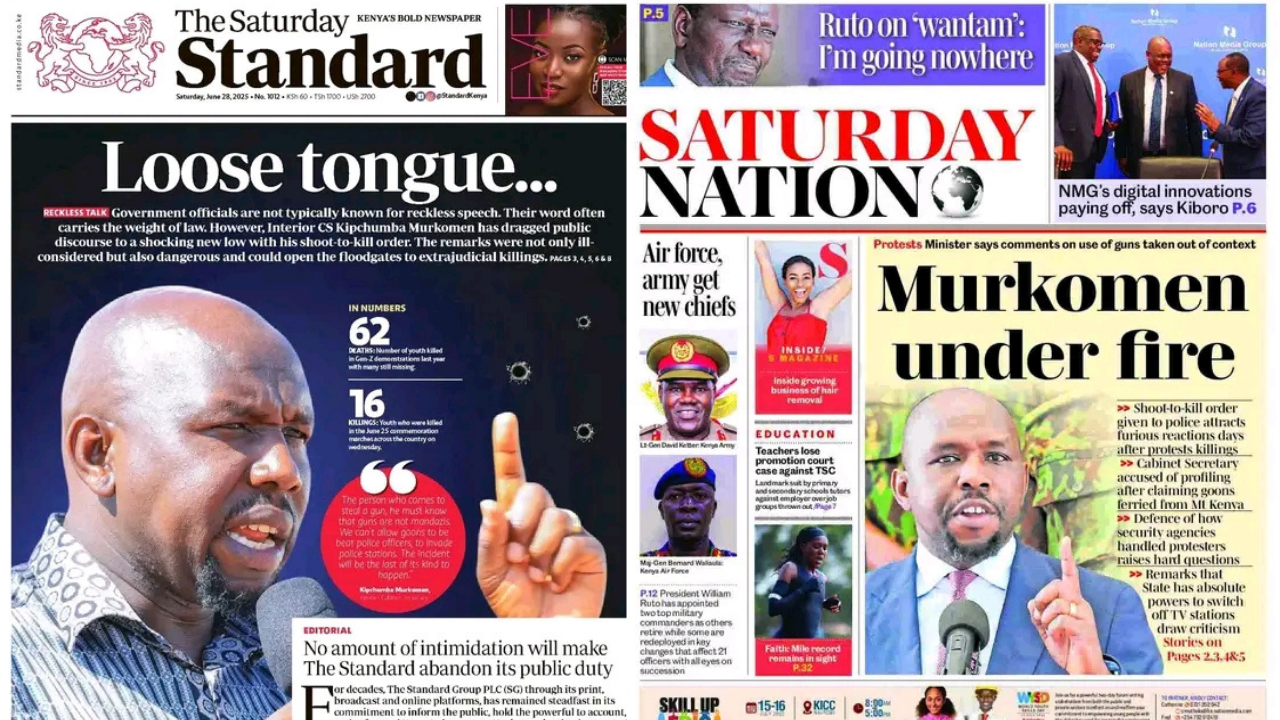
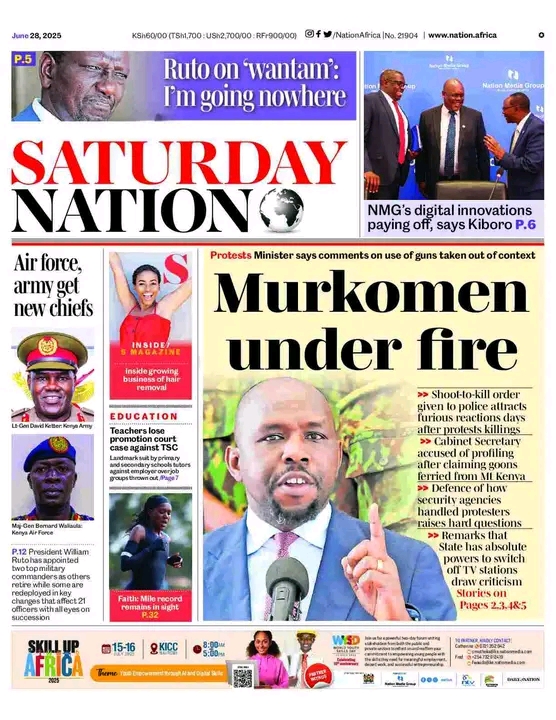
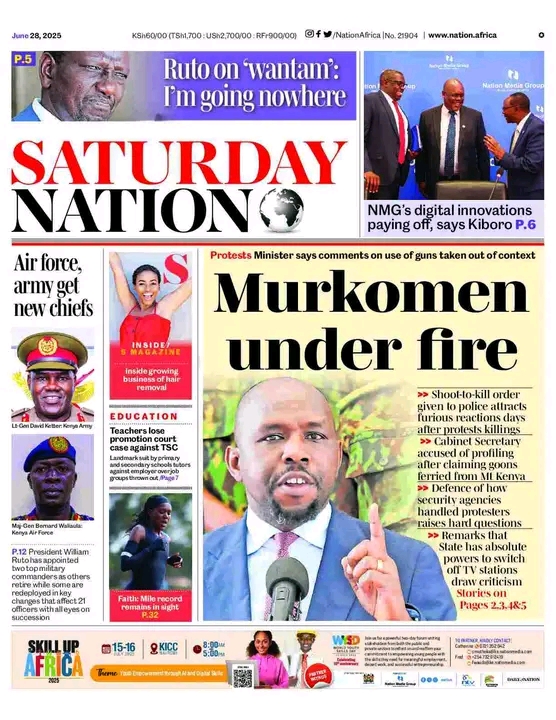
Kenya’s Saturday newspapers were dominated by stories on the fallout from the June 25 protests, with public anger mounting over Interior Cabinet Secretary Kipchumba Murkomen’s controversial shoot-to-kill directive to police. The protests, held to mark the anniversary of last year’s anti-tax demonstrations, turned violent in many towns.

Raila Dismisses Opposition Alliance and Confirms Loyalty to Ruto
According to The Saturday Standard, ODM leader Raila Odinga revealed he rejected an offer from rival opposition figures who wanted him to unite against President William Ruto’s Kenya Kwanza government.
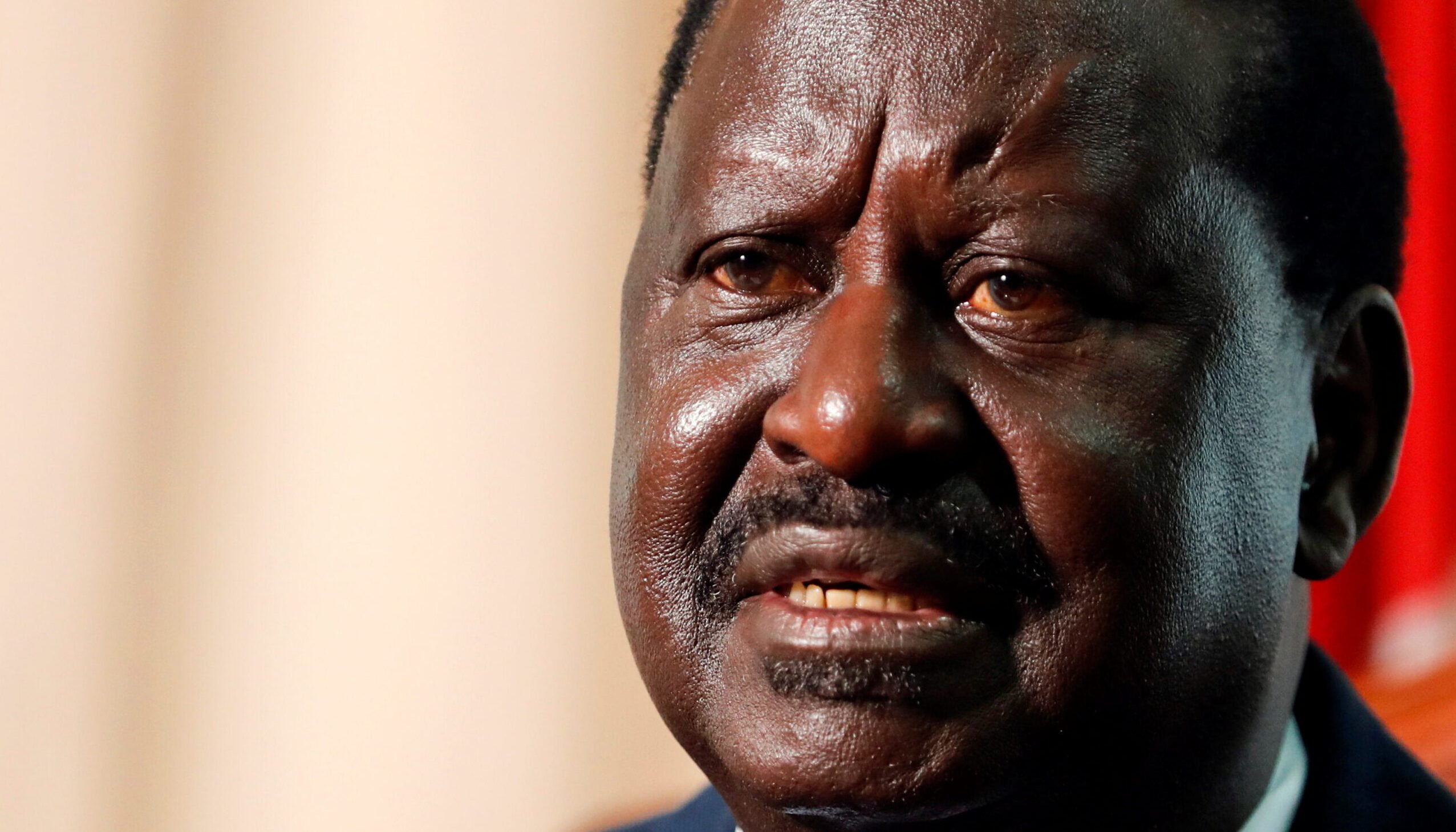
The proposal, he said, included support for his 2027 presidential bid in exchange for endorsing another candidate in 2032.
Raila firmly dismissed the overture:
“Some of them said we were outsiders. One even declared that if he saw us lining up at State House, he’d chase us away. Can you truly work with someone like that?”
He affirmed his partnership with Ruto:
“I’m not going anywhere. I will not abandon Ruto because I know the direction we are taking. We will walk together in unity.”
Raila also urged supporters not to engage in premature 2027 campaigns, promising to give clear political direction when the time was right.
High Court Rejects Petition Over Police Brutality Death
The Saturday Nation reported that the High Court dismissed a petition filed by the family of Beasley Kogi Kamau, who died during the June 2024 Gen Z protests in Nairobi.
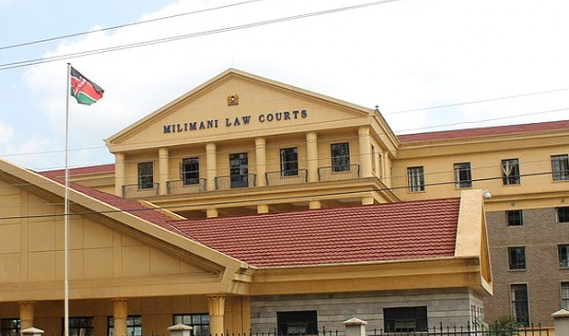
Kamau’s family, supported by the Law Society of Kenya and the Independent Medico-Legal Unit, accused the State of failing to investigate or prosecute those responsible.
Justice Bahati Mwamuye ruled there was no concrete evidence linking police directly to Kamau’s death:
“The petitioners rely on circumstantial evidence suggesting police used a baton. Yet, no evidence confirms the injuries occurred while police dispersed protesters.”
Despite a post-mortem indicating blunt force trauma, the court found insufficient grounds to compel prosecutions.
Police Caught Between Restraint and Order
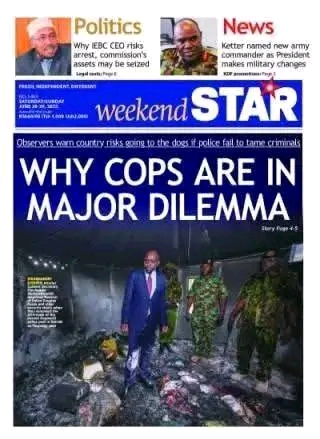
According to Weekend Star, police have increasingly struggled to balance enforcing order and avoiding accusations of brutality.
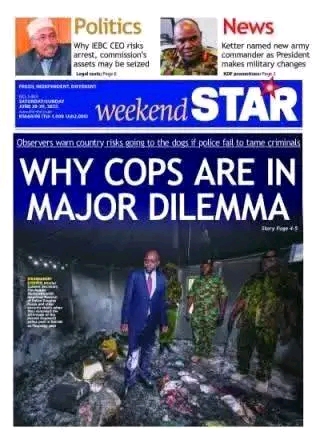
During recent protests, criminal gangs infiltrated demonstrations, looting businesses and destroying public property.
Officers reportedly retreated in several towns, concerned about public backlash over excessive force. This created a vacuum exploited by criminals in cities like Nairobi, Nyeri, Machakos, and Nakuru, resulting in extensive damage.
Security analysts warn that continued hesitation could threaten stability:
“If police remain hesitant without a clear strategy, emboldened criminals may continue to cause chaos.”
Murkomen’s Shoot-to-Kill Order Sparks Outrage
Taifa Leo reported that Murkomen’s directive for police to use lethal force on anyone attempting to storm stations ignited widespread debate.

On Thursday, while touring damaged sites, Murkomen said:
“If someone approaches a police station to seize weapons, deal with them. If your life is threatened, act.”
Many citizens jeered, demanding arrests instead of killings.
“Arrest them, don’t kill them!” onlookers shouted.
Murkomen later clarified:
“If someone attacks a police officer or tries to grab weapons, defend yourself. We’ll handle the legal matters later.”
His comments have raised fears of further extrajudicial killings amid growing public frustration over governance and policing