Kenya: From Mitumba Fashion to Global Dumpsite — The Hard Truth We’re Ignoring
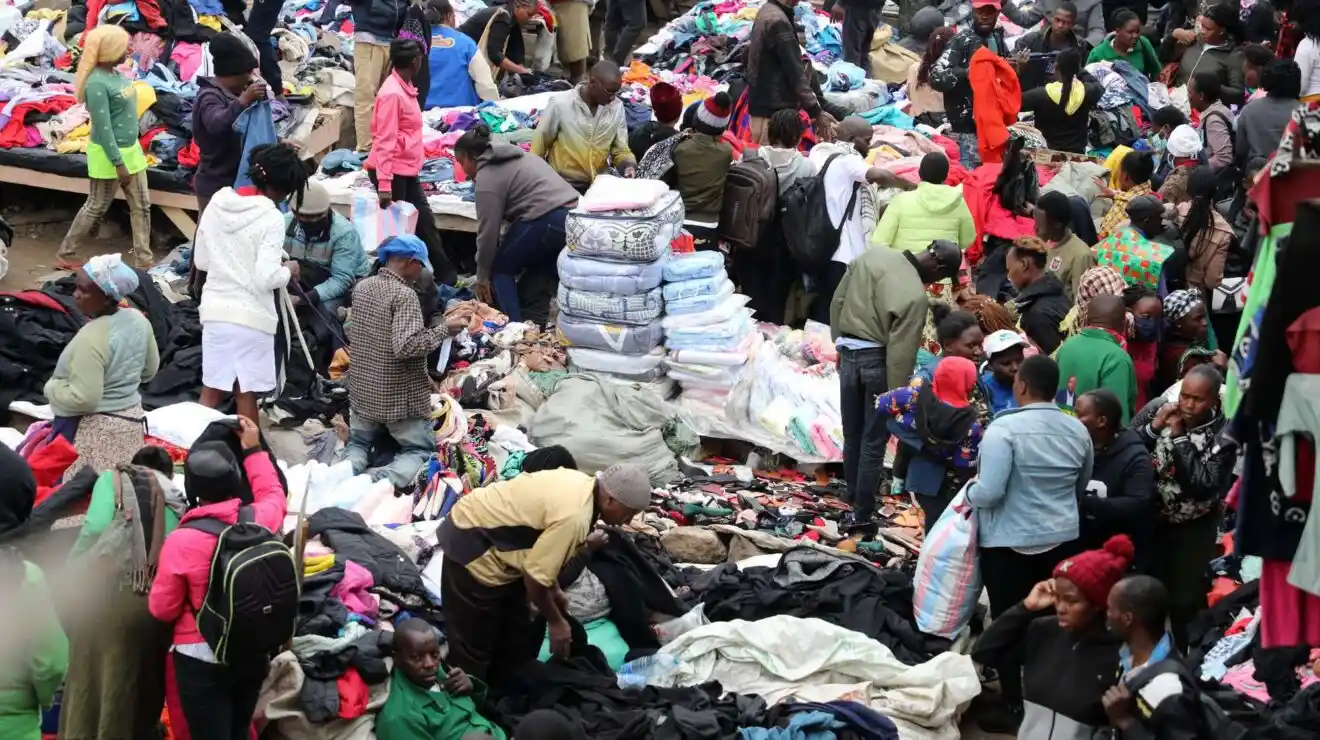
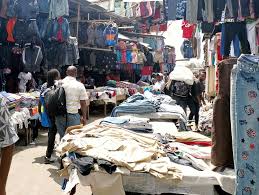
Have you ever stopped to ask: Where do all those clothes we see in Gikomba, Toi Market, and other mitumba hotspots actually come from?
The answer is both simple and disturbing.
Every year, tonnes of second-hand clothes are shipped from Europe and America into Africa. Kenya, in particular, has become one of the continent’s biggest dumping grounds. Clothes no longer wanted by Western consumers often damaged, dirty, or completely unusable are packed in bales, exported as charity, and sold as trade.
We call it mitumba. They call it “donation.” But what it really is… is fashion waste.
Yes, some of these clothes are in good condition and affordable to many Kenyans that’s the visible part. But behind the curtain, there’s a growing crisis.
A significant portion of mitumba imports are rags, unwearable items that immediately end up in landfills and dumpsites. Places like Dandora in Nairobi, Gioto in Nakuru, Kibarani in Mombasa, and hundreds of smaller dumping zones across Kenya are groaning under the weight of textile waste. This isn’t just unsightly, it’s dangerous. Most of these fabrics are synthetic and don’t decompose easily. They pollute our soil, water, and air when burned or buried.
And the environmental burden isn’t the only cost.
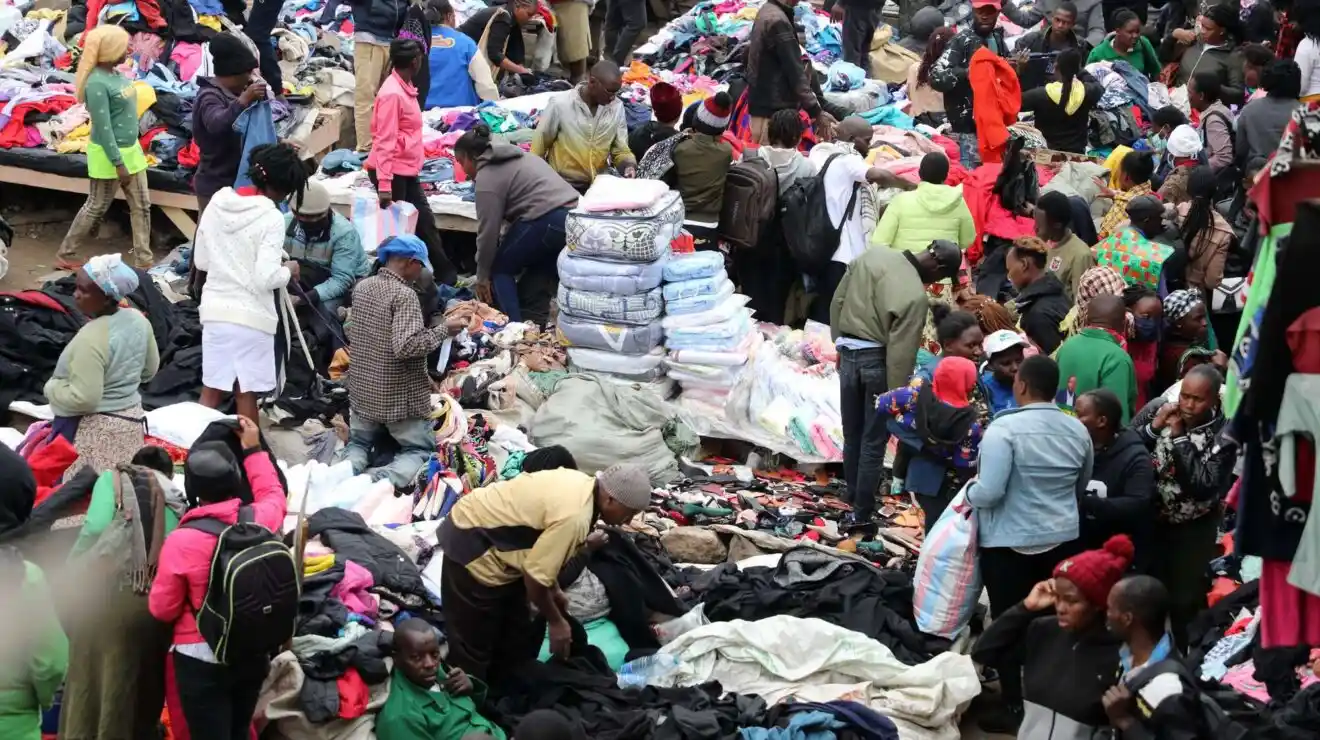
Mitumba has silently strangled Kenya’s once-thriving textile industry. In the 1980s, Kenya had dozens of textile factories that employed thousands and produced Kenyan-made garments from locally grown cotton. Today? Most of them have collapsed. Jobs lost. Dreams abandoned. Why? Because it’s nearly impossible to compete with clothes that cost KSh30 and are imported in bulk.
At one point, a presidential candidate suggested banning mitumba and reviving local production. He was crucified in public discourse. Kenyans shouted him down, saying he wanted to make life harder. What that moment revealed is our deep dependence on mitumba even when it’s clearly unsustainable.
But is the convenience worth the cost?
In the name of affordability, we’re letting foreign nations dump their trash on our soil, kill our industries, and poison our future. Mitumba is no longer just about thrift, it’s about survival. For the exporters, it’s survival from landfills. For us? We’re trying to survive economically, even if it comes at a greater environmental price.
It’s time to ask hard questions.
What are we really wearing? Whose problem are we inheriting? And when the last mitumba bale is too rotten to be sold… what will we wear then?
Because if we don’t act soon, we may end up not just wearing the world’s waste but living in it.