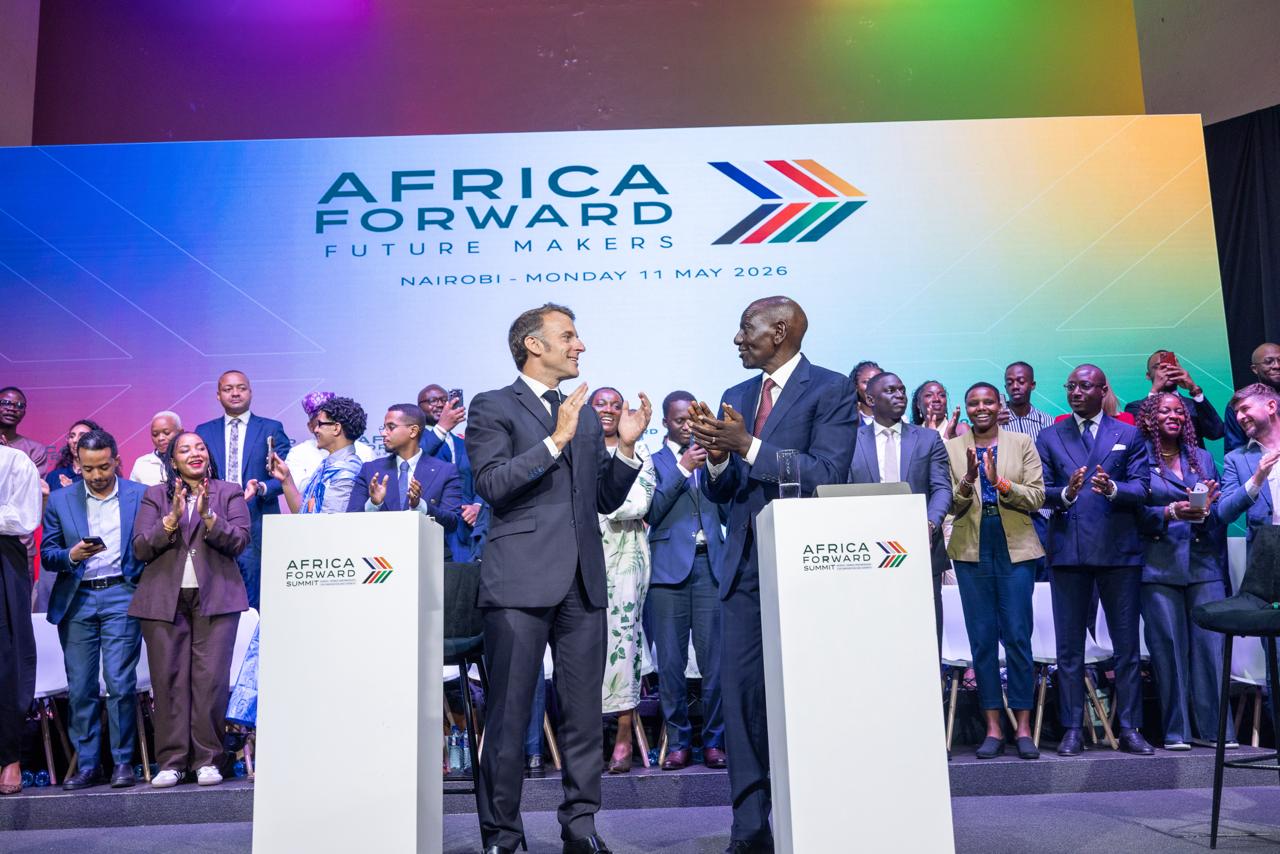

Kenya-France Defence Agreement Sparks Debate Over Sovereignty And Foreign Troop Immunity
A growing public debate has emerged in Kenya following renewed attention on the Kenya-France Defence Agreement, particularly on clauses relating to legal jurisdiction for foreign military personnel operating within the country.
The agreement, which strengthens defence cooperation between Kenya and France, reportedly grants French authorities primary jurisdiction over offences involving French military personnel stationed in Kenya. The development has triggered mixed reactions online, with critics questioning whether such arrangements could limit the ability of Kenyan courts to directly prosecute crimes involving foreign troops.

The issue has revived memories of previous defence agreements involving foreign forces in Kenya, especially the long-running case surrounding the death of Agnes Wanjiru, a Kenyan woman who was last seen alive in the company of a British soldier in 2012. The case became a major point of national and international discussion after years passed without significant legal progress.
Comparisons With Past Military Agreements
Critics of the Kenya-France Defence Agreement argue that clauses involving military immunity or foreign-led jurisdiction may weaken public confidence in local accountability systems. Some observers have pointed to similarities between the current arrangement and earlier defence agreements signed between Kenya and the United Kingdom.

Human rights activists and civil society organisations say such agreements should include stronger transparency and accountability measures to ensure justice for Kenyan citizens in the event of alleged misconduct involving foreign military personnel.
Supporters of international defence cooperation, however, argue that similar legal arrangements are common in military partnerships around the world and are designed to facilitate operational coordination between allied nations.
France’s Expanding Presence In Kenya
France has continued to expand its diplomatic, economic, and military ties with Kenya in recent years. Reports indicate that French troops are already present in the country as part of joint defence and security operations.
Beyond security cooperation, French companies continue to maintain a strong business presence within Kenya, particularly in sectors such as infrastructure, transport, energy, and technology.
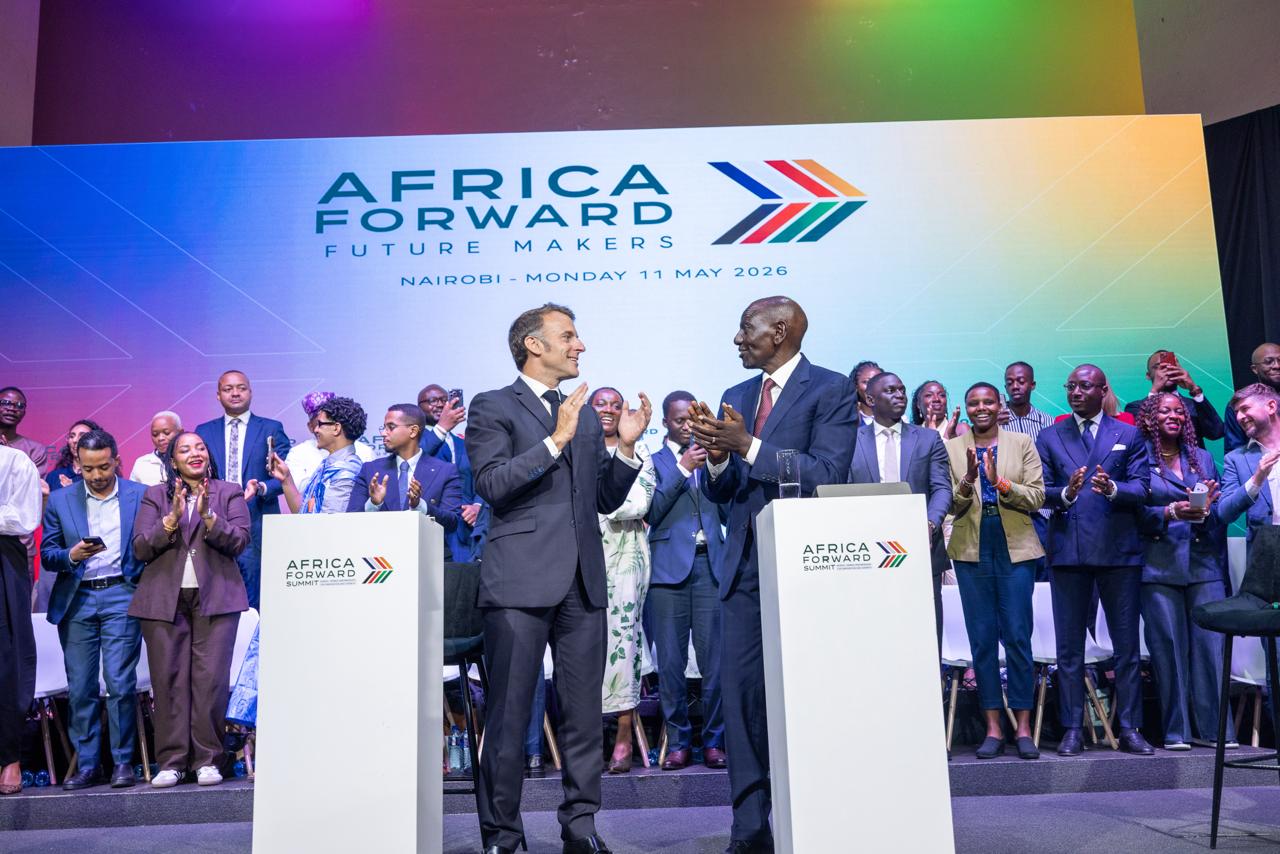
The defence agreement has nevertheless generated political discussion online, with some Kenyans raising concerns about the balance between international partnerships and national sovereignty.
Wider African Context
The debate is also unfolding against the backdrop of changing relations between France and several African nations. In recent years, countries including Mali, Burkina Faso, and Niger moved to end or significantly reduce French military operations within their borders following political tensions and growing anti-French sentiment.
Those developments have intensified continental discussions around foreign military influence, security partnerships, and African sovereignty.
In Kenya, some civil society groups and activists have reportedly begun organising forums and discussions to examine the implications of the Kenya-France agreement and the long-term impact of foreign troop arrangements in the country.
Mixed Public Reactions
Public reaction to the agreement has remained divided. Some Kenyans view the partnership as important for strengthening regional security cooperation and combating shared threats, while others believe more safeguards are needed to protect civilian rights and preserve Kenya’s judicial independence.
As the discussion continues, attention is now shifting toward how the agreement will be implemented and whether additional oversight mechanisms will be introduced to address accountability concerns.