
Nationality of Viral ‘Russian Man’ Uncertain as Russia Confirms Fake Name
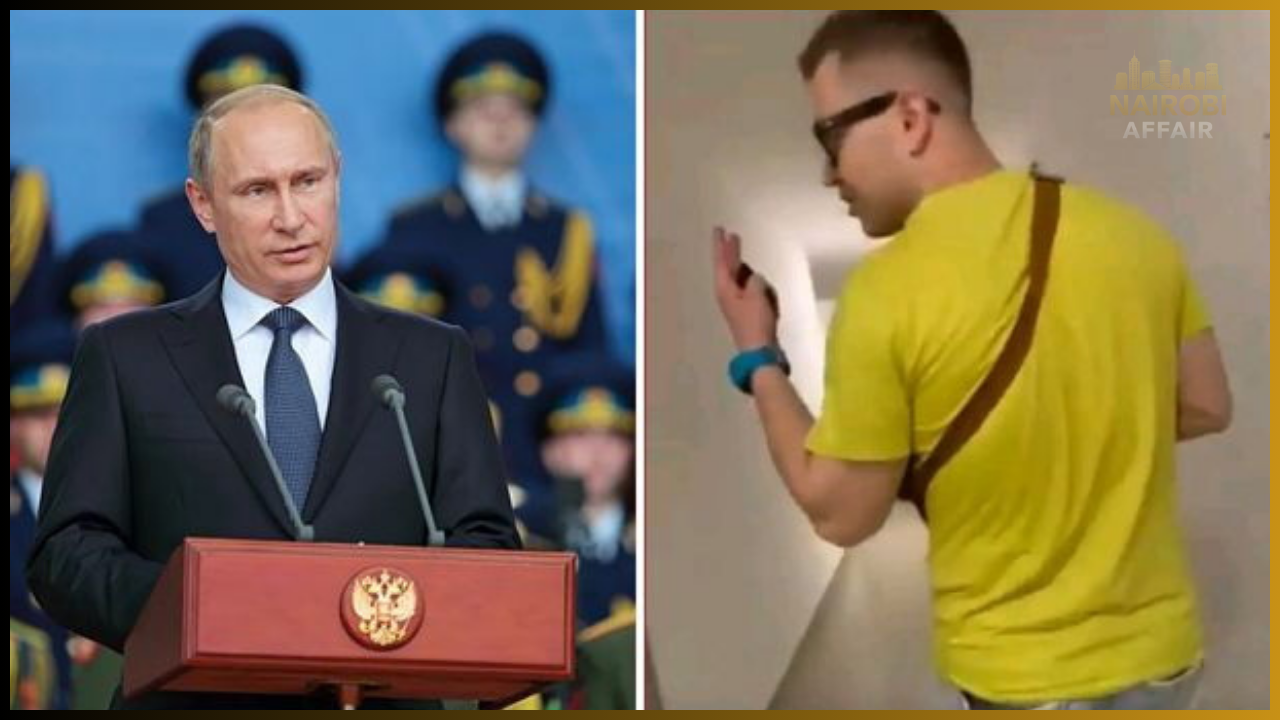
The viral foreigner widely believed to be Russian has now been revealed to be using a fake name online, raising questions about his true identity. Russian authorities confirmed that the name circulating on social media does not correspond to any legitimate Russian name, and the man’s actual nationality remains unverified.
Background
The revelation follows scrutiny over sexually explicit content allegedly involving Kenyan women, which had gone viral on social media. The individual, previously identified as Yaytseslav, a 36-year-old self-described ‘pickup artist’ from Ulyanovsk, Russia, was sharing content under this pseudonym. Russian officials clarified that this name is not genuine but a vulgar expression in Russian, used online to conceal his true identity.
Ghana Summons Russian Ambassador
The development coincided with the Ghanaian government summoning Russian Ambassador Sergei Berdnikov to address concerns over unlawful publication of sexually explicit images. The ambassador acknowledged the seriousness of the acts, describing them as violations of privacy and cybercrime laws, but confirmed that the man’s nationality and the widely circulated name could not be verified.

Russian authorities are reportedly aware of the individual’s activities in other countries, and investigations are ongoing.
Kenya’s Investigation
In Kenya, the Directorate of Criminal Investigations (DCI) is actively investigating the matter under a directive from the Ministry of Gender.
DCI issued a statement urging victims and witnesses to come forward while assuring confidentiality and protection:
“We are deeply concerned about the reported circulation of intimate content involving Kenyan women, which is a clear violation of privacy, dignity, and the law.
We want to assure all victims that coming forward will not expose them to harm or public scrutiny. Our teams are fully equipped to handle these cases with the highest level of care, confidentiality, and professionalism.”

The case has drawn significant public attention, highlighting ongoing concerns over online privacy, cybercrime, and the risks of pseudonymous content creators exploiting vulnerable individuals.