

Gachagua Wants Supreme Court to Dismiss Appeal Over Impeachment Bench Dispute
Former Deputy President Rigathi Gachagua has asked the Supreme Court to dismiss an appeal challenging the empanelment of a bench set up to hear petitions arising from his impeachment.
In submissions opposing the appeal, Gachagua argued that the matter has already been overtaken by events and no longer presents a live legal controversy capable of judicial determination.
According to submissions dated May 11, 2026, the former Deputy President maintained that the dispute regarding whether Deputy Chief Justice Philomena Mwilu had authority to empanel a bench under Article 165(4) of the Constitution is now effectively moot.
“The determination would have no impact on the lives or interests of parties,” Gachagua stated in his submissions.
Gachagua Says Court of Appeal Already Settled Matter
Gachagua argued that the issue became irrelevant after the Court of Appeal of Kenya quashed the earlier empanelment made by the Deputy Chief Justice.
The appellate court had directed that the matter be forwarded to Chief Justice Martha Koome for the constitution of a fresh bench.
Following the ruling issued on May 9, 2025, Chief Justice Martha Koome subsequently appointed a three-judge bench consisting of Justices Eric Ogola, Anthony Mrima and Freda Mugambi to hear the consolidated petitions.
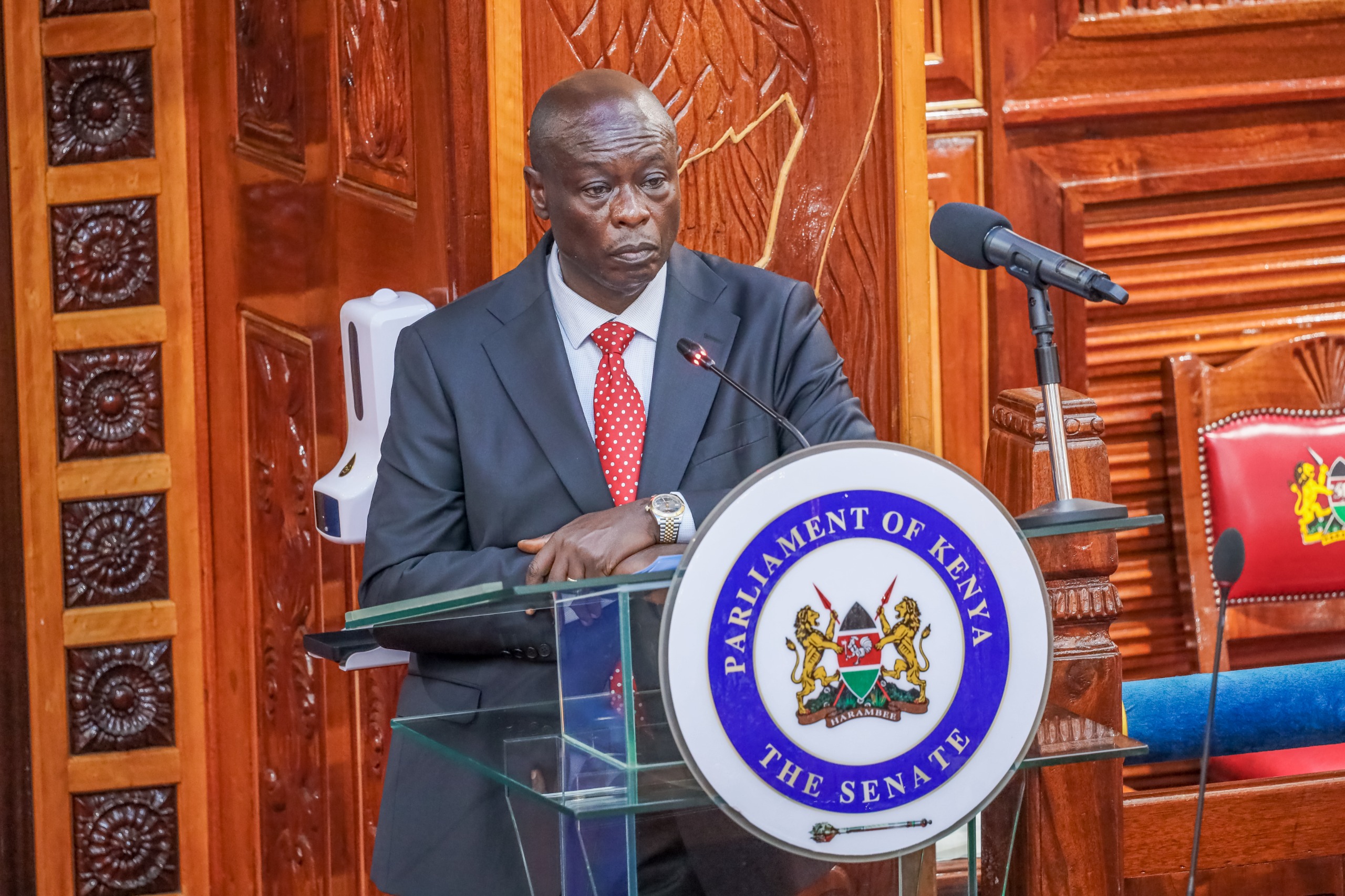
According to Gachagua, all parties involved have already accepted the authority of the newly formed bench, filed submissions and substantially argued the matter before the court.
He further noted that proceedings are actively ongoing, with the judges expected to hear cross-examination involving Dr Daniel Gikonyo regarding Gachagua’s alleged hospitalisation during the impeachment process in October 2024.
“Interference Would Delay Proceedings”
The former Deputy President argued that any attempt to interfere with the current bench at this stage would only delay the hearing and final determination of the petitions without providing any meaningful benefit to the parties involved.
“The question of bench composition is moot and no longer a live dispute between the parties,” he argued.
Gachagua relied on previous Supreme Court rulings regarding the doctrine of mootness, which discourages courts from deciding disputes that have already been overtaken by events or no longer hold practical significance.
According to him, the appeal no longer raises an active controversy because the disputed bench was already dissolved and replaced through a fresh appointment process.
Gachagua Defends Chief Justice’s Role
In the alternative, Gachagua also defended the Court of Appeal’s finding that the authority to empanel a constitutional bench under Article 165(4) belongs primarily to the Chief Justice.
He argued that the Deputy Chief Justice can only exercise such authority under exceptional circumstances.
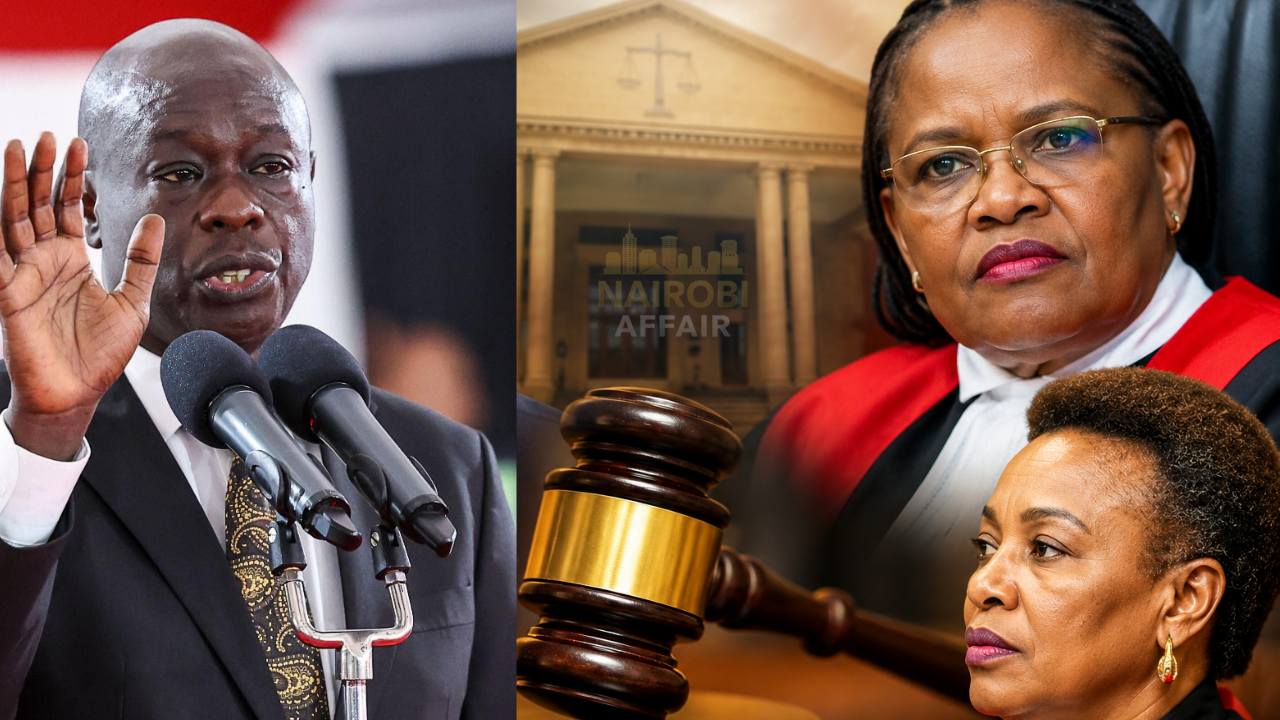
However, the former Deputy President disagreed with the appellate court’s description of the empanelment function as merely administrative.
Instead, he maintained that the responsibility carries constitutional and judicial significance.
According to Gachagua, allowing both the Chief Justice and Deputy Chief Justice to exercise the empanelment role concurrently could create confusion within the Judiciary and potentially lead to conflicting bench appointments.
National Assembly Challenging Court of Appeal Decision
The appeal before the Supreme Court was filed by the National Assembly of Kenya following the Court of Appeal’s decision to nullify the earlier bench constituted by Deputy Chief Justice Philomena Mwilu.
The dispute forms part of the wider legal battle surrounding petitions linked to Gachagua’s impeachment process.
Gachagua has now urged the apex court to dismiss the appeal either on grounds of mootness or on its substantive merits.


