IMF and World Bank Freeze Funding to Kenya Over Unmet Reform Conditions
Kenya is facing growing financial pressure after the International Monetary Fund (IMF) and the World Bank froze key funding programmes, citing the government’s failure to meet critical reform and performance conditions agreed under existing financing arrangements.
The decision comes at a time when the country is grappling with rising public debt, fiscal strain, and mounting pressure to implement structural reforms across key sectors of the economy.
IMF Support During the COVID-19 Crisis
In 2020, as the COVID-19 pandemic brought global economic activity to a halt, the IMF stepped in as a lender of last resort, providing emergency financial support to countries whose economies were severely disrupted. Kenya was among the beneficiaries, receiving funding aimed at stabilising its economy, supporting public spending, and cushioning citizens from the economic shock.
Following the emergency assistance, Kenya entered into a multi-year financing agreement in 2021 under the IMF’s Extended Fund Facility (EFF) and Extended Credit Facility (ECF) frameworks. These programmes are designed to help countries address balance-of-payments challenges while implementing fiscal and structural reforms.
Despite ongoing economic challenges, Kenya continued to receive periodic IMF disbursements for several years.
When and Why the IMF Froze Funding
The IMF declined to release $850.9 million (approximately KSh 109.7 billion) to Kenya after the 2021 programme reached its conclusion. According to the Fund, the decision was based on Kenya’s noncompliance with several agreed-upon conditions.
Among the key unmet requirements were:
- The restructuring of Kenya Airways (KQ)
- The introduction of controls on the use of funds from the fuel stabilisation fund, which were alleged to have been misused
- Measures to limit public spending
- Efforts to increase tax revenue
- Clearance of outstanding payments owed to suppliers
According to Business Daily, Kenya failed to meet 11 out of the 16 programme conditions.
In a statement, the IMF noted that continued support under the programme depended on a thorough assessment of performance and credible forward-looking commitments to achieve the programme’s objectives before its expiration.
World Bank Also Suspends Loans
The World Bank, which has supported Kenya through Development Policy Operations (DPOs) a financing instrument aimed at supporting institutional and policy reforms, has also suspended funding.
Since June 2025, the Bank has frozen a $750 million (about KSh 96.7 billion) loan, citing delays in implementing agreed reforms.
Key issues raised by the World Bank include:
- Delays in amending the Competition Act to strengthen oversight of dominant market players
- Incomplete legislative and policy reforms tied to governance and public finance management
Although Kenya passed a conflict-of-interest bill restricting overlaps between public officials and political office holders—a move widely expected to unlock funding—the World Bank says significant gaps remain.
According to a World Bank spokesperson, Kenya still needs to meet 11 outstanding conditions, including:
- Seven legislative actions
- Four policy reforms
Outstanding reforms include implementation of the Treasury Single Account (TSA), adoption of e-government procurement systems, and frameworks to speed up approval of County Government Additional Allocations Bills.
Kenya’s Rising Debt Burden
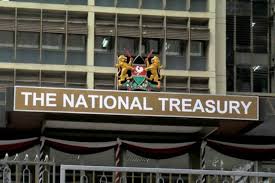
The funding freeze comes as Kenya’s public debt continues to climb. Latest data from the National Treasury shows the country’s total public debt has surpassed KSh 12 trillion.
In just eight months, the government borrowed over KSh 1.04 trillion, raising concerns about debt sustainability, fiscal discipline, and the country’s ability to finance development projects without external support.
Economists warn that prolonged suspension of multilateral funding could increase reliance on more expensive borrowing options, putting further strain on public finances.
What Happens Next?
The IMF and World Bank have not permanently closed the door on Kenya. Both institutions have indicated that funding could resume if the government demonstrates strong commitment to implementing the required reforms and meeting performance benchmarks.
However, the timeline for resumption remains uncertain, leaving Kenya at a critical juncture as it balances economic recovery, debt management, and reform implementation.
Kenya’s loss of IMF and World Bank funding underscores the growing importance of fiscal discipline, transparency, and structural reforms as the country navigates rising debt and economic uncertainty.