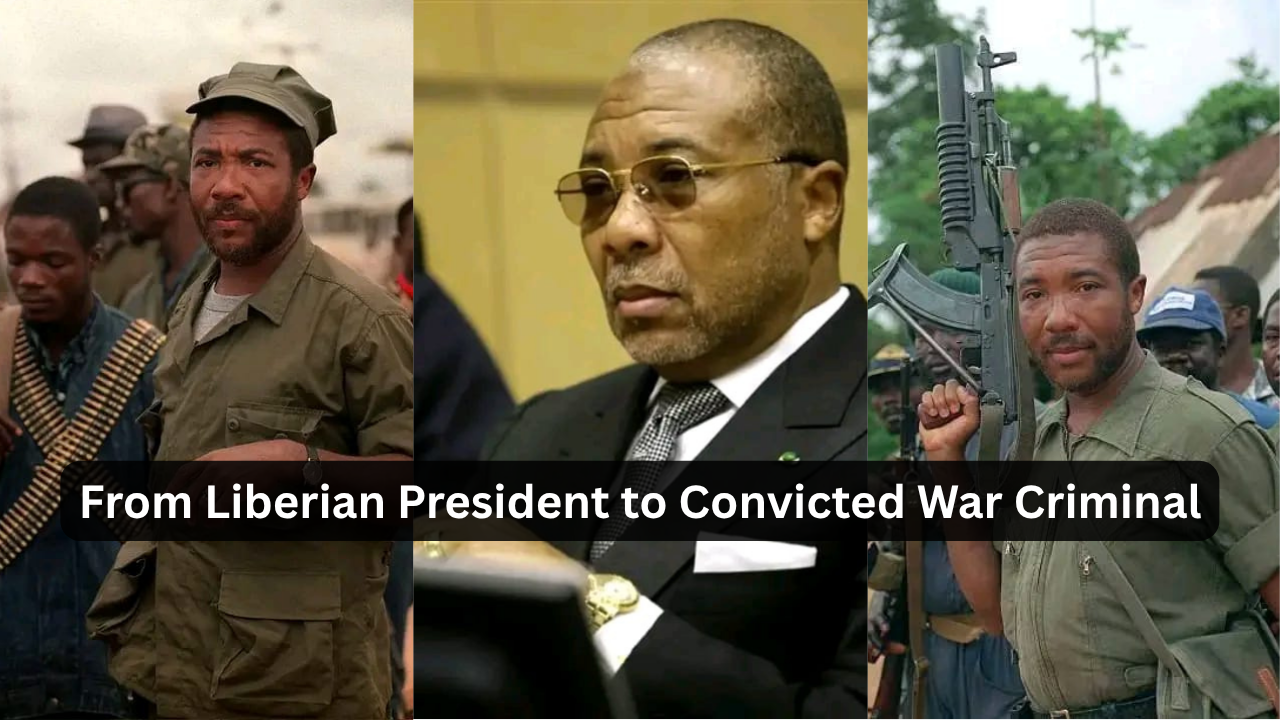
Charles Taylor: From Liberian President to Convicted War Criminal
Born on January 27, 1948, Charles Taylor once ruled Liberia with an iron fist. Serving as president from 1997 to 2003, Taylor rose to power after leading a bloody rebellion during the Liberian civil war of the 1990s. But his legacy is one of atrocities, terror, and human suffering.
Rise to Power Through Violence
Taylor, educated at Bentley College in the United States, returned to Liberia to serve under President Samuel Doe. However, after being accused of embezzlement and imprisoned, Taylor escaped in 1989 and fled to Libya, where he was trained as a guerrilla fighter.
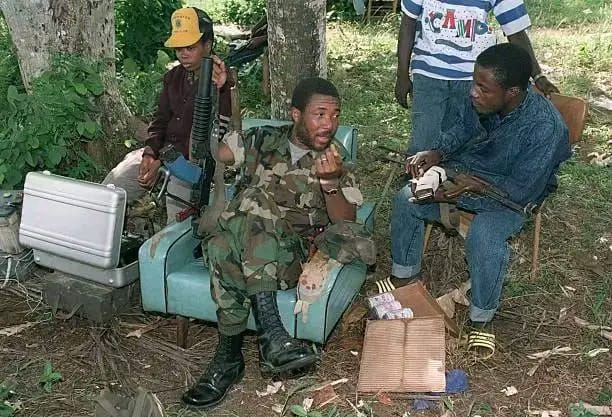
That same year, he returned to Liberia, forming the National Patriotic Front of Liberia (NPFL). His forces launched the First Liberian Civil War (1989–1996), notorious for their brutal massacres, mutilations, and use of child soldiers. Following Doe's execution, Taylor consolidated power and became one of Africa’s most feared warlords.
In 1997, after a peace deal ended the war, Taylor was elected president of Liberia under the National Patriotic Party (NPP).
Dictatorship and the Second Civil War
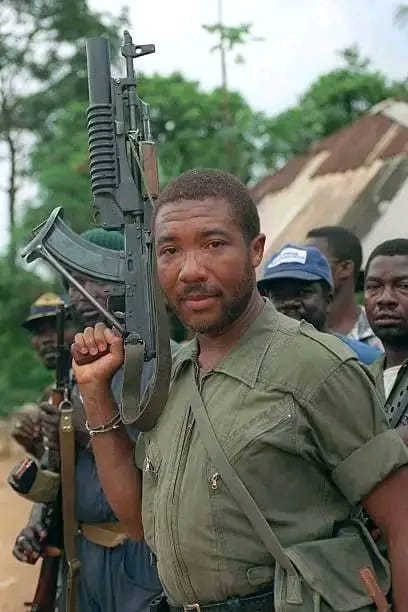
Taylor ruled through dictatorial violence, purging the military and targeting political rivals. In 1998, he attempted to assassinate former ULIMO commander Roosevelt Johnson, sparking clashes in Monrovia.
By 1999, the Second Liberian Civil War erupted, weakening his regime.
War Crimes and Brutality in Sierra Leone

Taylor was deeply involved in the Sierra Leone civil war, backing the Revolutionary United Front (RUF) rebels. His forces committed horrific crimes, including:
- Rape & Sexual Slavery (often in public, in front of families)
- Torture & Mutilations (including hacking off limbs)
- Use of Child Soldiers forced to fight and cut off civilians’ arms
- Beheadings & Public Display of Heads at checkpoints
- Engraving “RUF” into civilians’ bodies
The war crimes shocked the world, with the rebels also controlling diamond mines to fund the conflict.
Fall from Power & Imprisonment
In 2003, facing international pressure and rebel advances, Taylor resigned and fled into exile in Nigeria. By 2006, newly elected Liberian president Ellen Johnson Sirleaf requested his extradition.
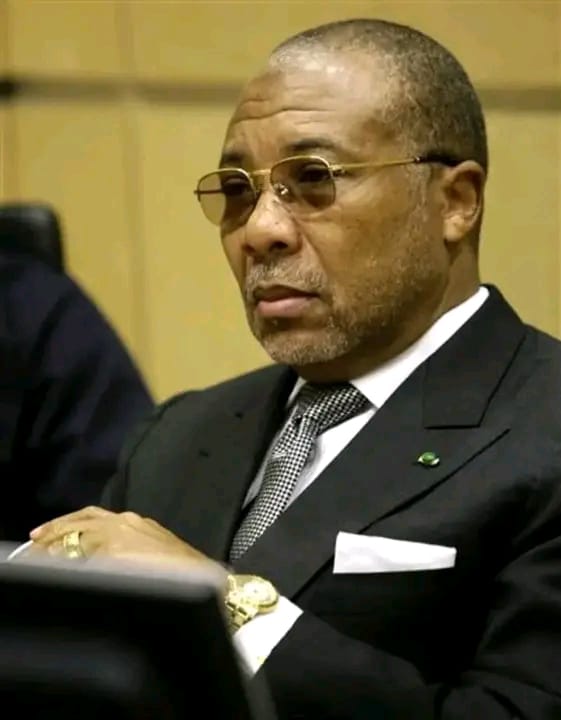
Taylor was handed over to the UN Special Court for Sierra Leone and later tried at The Hague.
In April 2012, he was found guilty on all 11 counts, including murder, terrorism, and rape, and was sentenced to 50 years in prison.
Judge Richard Lussick declared:
"The accused has been found responsible for aiding and abetting as well as planning some of the most heinous and brutal crimes in recorded human history."
Taylor is currently serving his sentence at HM Prison Frankland in County Durham, United Kingdom, where he was transferred on October 15, 2013.
Legacy
Once a powerful leader, Taylor’s name is now synonymous with terror and war crimes. His conviction remains one of the most significant moments in international justice, proving that even heads of state can be held accountable.